Family businesses witnessing a bounce in UK growth prospects but caution remains over inheritance tax changes

Family businesses across the UK are reporting an uplift in confidence following the change in Prime Minister, with new data in Family Business UK’s ‘Family Business Pulse’ showing growing optimism about the wider UK economy.

The latest quarterly survey of more than 530 family business leaders, conducted during the transition to Prime Minister Andy Burnham, shows a sharp rise in confidence in the UK’s economic prospects. Nearly two-thirds (63%) of family firms are now confident about UK economic growth over the next 12 months, compared with 48% in Q1. The overall net confidence score for the UK economy has increased from +17% to +40%.

Confidence levels were strongest in the North of England, with 70% of family businesses in the North West, North East and Yorkshire expressing confidence in UK economic growth over the coming year, compared with 60% in London and the South East. This optimism coincides with the launch of No.10 North.

Despite the positive outlook, concerns surrounding changes to Business Property Relief (BPR) and Agricultural Property Relief (APR), which came into effect on 6 April, remain a major issue for family businesses.

  • Almost six in ten family firms surveyed (58%) say they are now being affected by the changes, up from 51% in the previous quarter.
  • A third (33%) of family businesses have sought legal or professional advice over the past year.
  • Medium and larger family businesses continue to be the most impacted, with 65% of firms employing between 50 and 249 people reporting that they are affected by the changes.
  • The survey also highlights the impact of BPR/APR on growth plans, with 24% of family businesses having paused or cancelled investment projects over the last 12 months, up from 15% in the previous quarter.

Neil Davy, Chief Executive Officer of Family Business UK, said:

“Family businesses have responded warmly to the change at No.10 and launch of No.10 North and there is a renewed sense of optimism about the UK’s growth prospects. 

“Family businesses are natural partners in the Government’s ambition to grow the economy. However, the changes to Business Property Relief (BPR) and Agricultural Property Relief (APR) mean that many are being forced to withhold capital that would otherwise be earmarked for investment in recruitment, skills, training and community projects, in order to protect against unexpected inheritance tax liabilities. 

“If the Government wants to unlock the full potential of family-owned businesses, it should reopen the conversation on recent changes to BPR and APR and fully assess the negative impact they are having on investment and growth which the economy and communities across the UK need. 

“With the right policy environment, family firms will create jobs, develop skills and provide opportunities for economic growth in every part of the country. In doing so, they can play a key role in helping the Prime Minister deliver on his ambitions.”

Manchester’s Moment: What it Means for Family Businesses

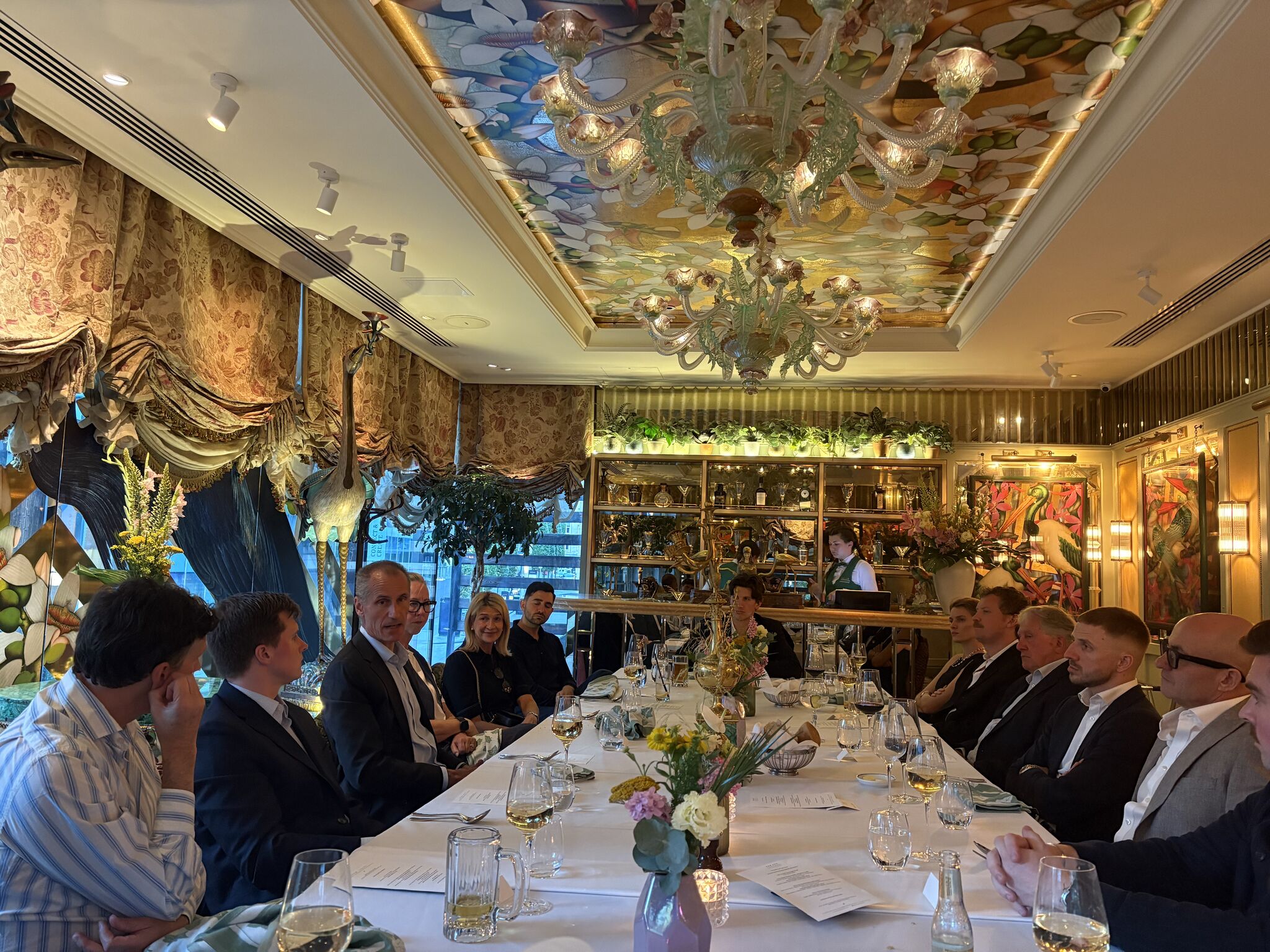
There was a certain symbolism in Family Business UK’s NowGen Community Roundtable taking place in Manchester on Thursday. 

On the same day voters went to the polls to elect the city’s next Mayor, family business leaders gathered in the heart of the city that has become the political and economic focal point of the new Government’s ambitions. Under Prime Minister Andy Burnham, Manchester is no longer simply one of Britain’s great cities. It is now home to No.10 North – the central hub for the Government’s devolution agenda and its ambition to deliver “growth in every postcode”.

That made Manchester the ideal place to discuss what comes next for Britain’s economy.

The city is now recognised as the UK’s fastest-growing major economy. While that success cannot be attributed solely to Andy Burnham’s near decade as Greater Manchester Mayor, there is a widely held view within the business community that his mayoralty demonstrated the value of meaningful engagement between government and business. Employers were seen not simply as stakeholders to consult, but as partners in delivering economic growth.

There are early signs that same approach is being carried into Government.

Within days of entering Downing Street, the Prime Minister invited FBUK to join the first discussions with leading business organisations on growth, investment, skills and jobs. For a sector that contributes so much to the UK’s economy and communities, it was an encouraging indication that family businesses will have a voice as the Government develops its economic agenda.

Our NowGen Community Roundtable, kindly hosted by Collinson Grant, reinforced why that partnership matters.

The discussion brought together family businesses from a wide range of sectors, sizes and generations to meet Bill Esterson MP, who spent eight years as Labour’s Shadow Business Minister before becoming Chair of the Energy Security and Net Zero Committee. As part of the Government’s efforts to rebuild confidence and strengthen its relationship with business, he took time to hear directly from family business leaders about the opportunities and challenges facing firms across the country.

Although every business around the table had its own story, there was one consistent theme.

Family businesses are rooted in the communities they serve. They create local jobs, invest for the long term and build relationships measured in generations rather than electoral cycles. Whether operating in manufacturing, hospitality, professional services or retail, they share a commitment to creating opportunities for local people and strengthening the places they call home.

That is precisely why family businesses are natural partners in delivering both devolution and the Government’s wider growth agenda.

If growth is genuinely to reach every postcode, it will depend on businesses that already have deep roots in the areas they call home. Family firms understand local labour markets, local supply chains and local communities better than almost anyone. They are uniquely placed to help translate national ambition into local economic success.

There was broad agreement that the new Government has made an encouraging start. Recent announcements aimed at tackling youth unemployment, including measures to remove financial barriers that can discourage some young people from taking up apprenticeships, recognise the important role employers play in creating opportunities for the next generation. Family businesses have long been at the forefront of providing apprenticeships, first jobs and long-term careers, making them natural delivery partners for this agenda.

Equally, the discussion highlighted areas where businesses will be looking for the Government to go further.

The decision to extend VAT relief on household energy bills was widely welcomed. However, many questioned why energy-intensive businesses facing the same prolonged period of high energy costs were not afforded similar support. For firms looking to invest, expand and recruit, competitive energy costs remain a vital part of the overall business environment.

Conversations also returned to Business Property Relief. The business community remembers the extensive engagement that took place before the previous Government entered office, only for subsequent reforms to leave many family businesses questioning whether Government fully understood the realities of long-term ownership, succession and investment. That experience inevitably means early optimism is tempered by caution.

Ultimately, confidence will not be judged by the tone of early engagement alone, but by the policy decisions that follow.

The Autumn Budget is likely to be one of the defining moments of the Prime Minister’s first year in office. It presents an opportunity to demonstrate that the Government’s reset with business is more than a change in rhetoric by creating the conditions that encourage businesses to invest, grow and create jobs with confidence.

Family Business UK’s Building Britain for Generations Policy Agenda provides a practical roadmap for doing exactly that. From supporting apprenticeships and employer-led skills, to encouraging investment, strengthening local economies and reducing unnecessary barriers to growth, it offers constructive proposals that align closely with the Government’s ambitions.

There is a genuine opportunity to forge a new partnership between Government and family businesses – one built on trust, stability and a shared commitment to long-term growth. If the Government wants to deliver growth in every postcode, family businesses stand ready to help make that ambition a reality.

Family Business UK joins prime minister’s first talks with business leaders

Family Business UK has joined Prime Minister Andy Burnham’s first talks with leading business organisations, as the new Government set out plans for a stronger partnership with businesses to drive investment, create jobs and deliver growth across the country.

Neil Davy, Chief Executive of Family Business UK, spoke with the Prime Minister alongside representatives from organisations including the British Chambers of Commerce, Federation of Small Businesses, Institute of Directors, Make UK and ScaleUp Institute.

The Prime Minister used the discussions to outline a new offer to British businesses, focused on greater certainty, clearer long-term direction, faster decision-making and giving businesses a stronger voice in shaping government policy.

A central part of the discussion was the role businesses can play in tackling rising youth unemployment and skills shortages. The Prime Minister called on employers to work with Government to restore the first rung on the career ladder for young people, while helping businesses develop the skilled workforce they need to grow.

Neil Davy, Chief Executive of Family Business UK, said:

“It was encouraging to be part of the Prime Minister’s first discussions with business organisations and to hear his commitment to building a stronger partnership between government and business.

“The Prime Minister is right to put tackling youth unemployment at the heart of that partnership. Family businesses invest in people for the long term, providing apprenticeships, training and that crucial first opportunity for young people to get into work and build a career.

“There is significant common ground with our recently published Policy Agenda, from creating a fairer system of taxation to creating those opportunities for young people by breaking down barriers to employment.

“We look forward to working with the Prime Minister and his Government to turn these shared ambitions into practical action and ensure family businesses can continue building Britain for generations.”

FBUK will continue working with the Prime Minister and the new Government to ensure family businesses have a strong voice as these priorities are taken forward.

During the roundtable discussion, Neil informed the Prime Minister and senior government officials that, if the Government wants to drive sustainable growth in every postcode and unlock the full potential of family businesses as partners in creating opportunities for young people, it must reopen the Business Property Relief (BPR) conversation and review the damage these changes are having on family-owned firms.

With family businesses operating in every part of the country, employing locally and investing for the long term, there is a significant opportunity to put them at the heart of the Government’s plans to tackle youth unemployment, unlock investment and deliver sustainable, place-based growth across the UK.