Family businesses are calling for action in the Budget to reduce spiralling costs of taking on young workers, with more than a third (38 per cent) saying they have become a significant barrier to recruitment.
In its submission to the Treasury ahead of the Budget, Family Business UK (FBUK) sets out a package of measures to encourage businesses to recruit, invest and grow, including a reduction in employer National Insurance Contributions (NICs) for younger workers, targeted incentives to help young people into work and reforms to the tax system to support long-term business ownership.
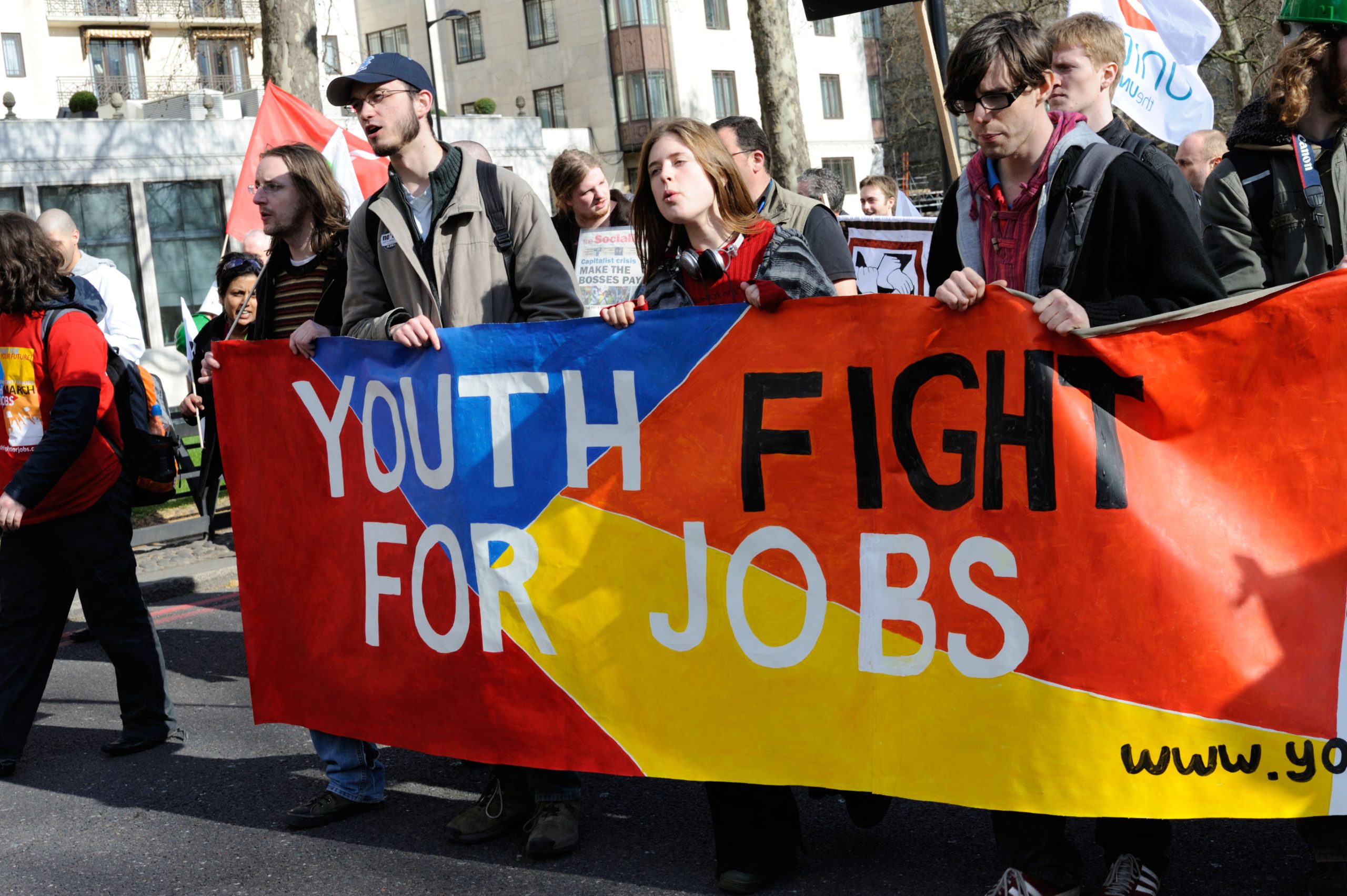
The call comes as youth unemployment stands at 16.2 per cent and around one million young people are not in education, employment or training (NEET). FBUK warns that rising employment costs, limited job opportunities, skills shortages and the growing impact of artificial intelligence are making it harder for young people to secure their first foothold in the labour market.
FBUK is now calling for a six-month employer NICs holiday for family businesses recruiting people aged 18 to 24, or up to 30 for those entering their first job. The organisation estimates that the measure could support around 100,000 recruits.
Neil Davy, chief executive of Family Business UK, said: “Family businesses want to invest, grow and create good, long-term jobs. But rising employment costs are making it harder for firms to take on staff, just when the country needs businesses to create more opportunities for young people.
“We need a practical package that makes it easier for employers to recruit and gives young people a better chance of getting into work. Cutting the cost of employing young people, supporting paid work experience and apprenticeships, and extending help to those at risk of unemployment would make a real difference.
“Family businesses account for 93 per cent of private sector firms in the UK and employ 15.8 million people. If we help these businesses create more opportunities for young people, the impact on employment and communities across the country could be transformational.”
FBUK’s proposals to address youth unemployment include:
- Employer NICs relief: a six-month NICs holiday for family businesses taking on young people aged 18 to 24, or first-time employees up to the age of 30.
- Paid internships: a six-month Family Business Internship Incentive, with grants of £3,000 to £5,000 for businesses offering structured placements to 18- to 30-year-olds, including training, mentoring and a named supervisor. A further payment could be made where placements lead to permanent jobs or apprenticeships.
- An expanded Youth Guarantee: extending support to school and college leavers, young people at risk of unemployment and those outside the Universal Credit system, with a focus on careers advice, employability and job matching.
- More apprenticeship support: extending starter-wage assistance to labour-intensive and socially important sectors, including retail, hospitality, leisure, education and care.
- A more responsive Growth and Skills Levy: improving guidance on how funds can be used and making it easier for businesses to transfer funding through their supply chains and local business networks.
FBUK is also calling for a more predictable approach to minimum wage policy. It wants the Government to assess the employment consequences of planned alignment between the National Minimum Wage for younger workers and the National Living Wage, and publish a youth-employment impact assessment before each further step towards equalisation. It also proposes a fixed three-year cycle for reviewing employment wage policy, giving employers greater certainty when planning recruitment and investment.
Alongside employment, the submission calls for Chancellor John Healey to use the Budget to reverse his predecessor’s controversial changes to inheritance tax for family firms. It calls on the Treasury to restore 100 per cent Business Property Relief (BPR) with no upper threshold, introduced by Labour Chancellor Denis Healy in 1976, reversing the changes that FBUK says continue to undermine investment, recruitment and succession planning among family-owned businesses.
Although the Government increased the threshold for inheritance tax to apply to family firms’ assets from £1 million to £2.5 million following a fierce backlash, FBUK says the changes have not resolved the fundamental problem. A survey of more than 530 family-business leaders by FBUK found that 58 per cent expected to be affected by the reforms, 24 per cent had paused or cancelled planned investment, and 23 per cent had reduced headcount or paused recruitment.
FBUK argues that family businesses should not face a tax burden on transferring ownership that puts them at a disadvantage compared to publicly listed, private equity-backed and overseas businesses. It warns that money diverted from productive investment to meet inheritance tax liabilities could otherwise support jobs, training, innovation and growth.
The submission also calls for business energy costs to be reduced, by extending to businesses the approach recently taken for households, under which 75 per cent of the costs of obligations to use renewable energy are shifted from energy bills to general taxation. Three in ten family firms identify energy costs or volatility as their main barrier to growth, with retail, hospitality and leisure businesses particularly exposed.
FBUK is further urging the Government to undertake wholesale reform of business rates, moving towards a more progressive system in which different portions of a bill are charged at different rates. Its research finds that 43 per cent of family-owned businesses identify business rates as the tax having the greatest impact on their operations.
Other recommendations include ruling out a one-off or annual wealth tax, providing greater certainty over the tax system, improving access to scale-up finance and introducing incentives to encourage long-term investment in UK private businesses. FBUK also proposes a Community Investment Tax Relief to encourage family businesses to invest in local assets, infrastructure and community initiatives, with an initial targeted pilot potentially focused on youth employment.
Neil Davy added: “Family businesses are long-term investors in the UK economy. They create jobs, support local supply chains and sustain communities, often across generations. But they need a tax and regulatory environment that gives them the confidence to keep investing in Britain.
“Restoring Business Property Relief in full, reducing employment and energy costs, and reforming business rates would help unlock that investment. The Budget should be an opportunity to back the businesses that already contribute £422 billion in tax each year and generate £985 billion in economic value, helping them create jobs and deliver growth across the country.”