High Court to hear IHT case in March

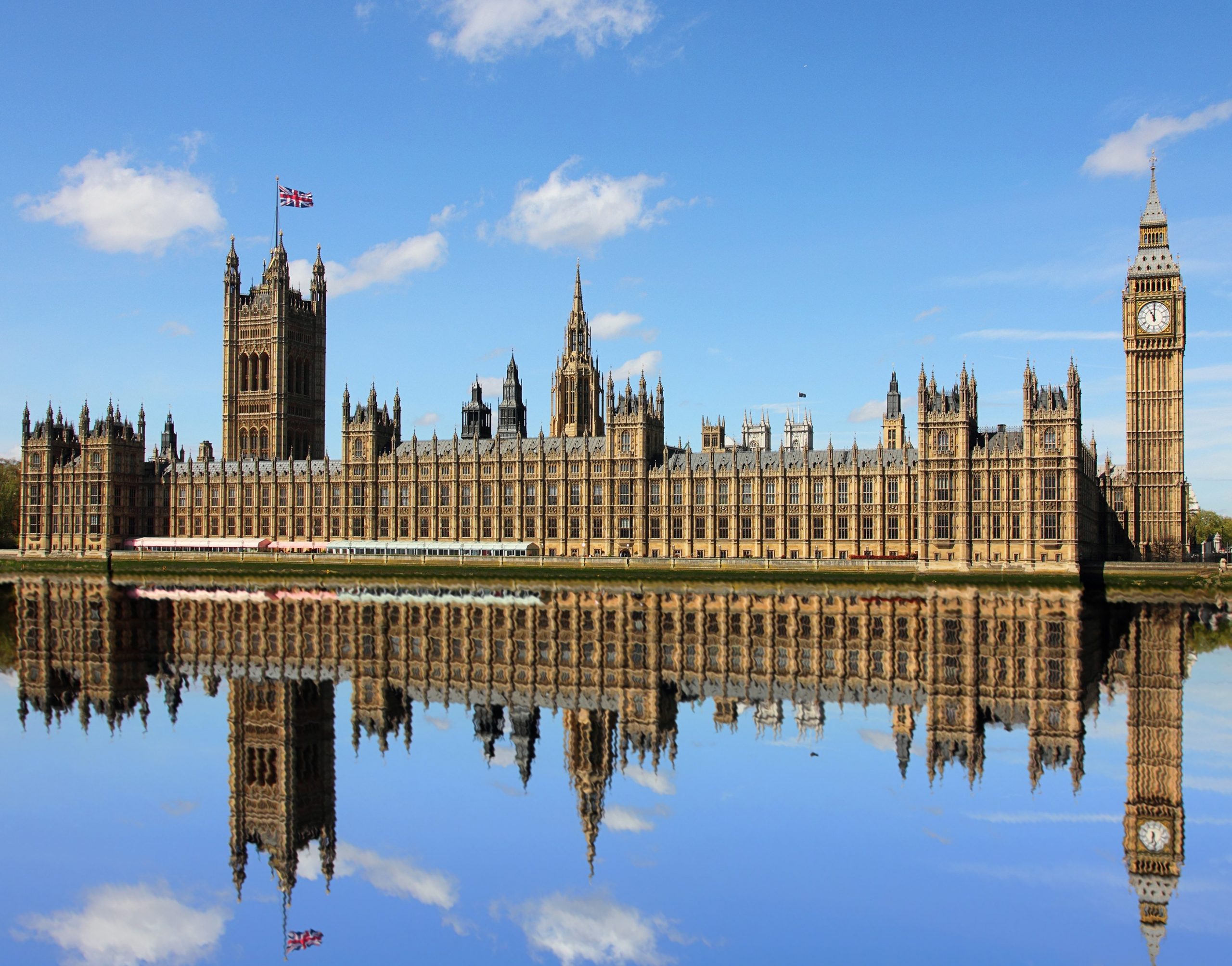
The High Court has scheduled an urgent two-day hearing at the Royal Courts of Justice on the Government’s changes to inheritance tax for family businesses and family farms.

The hearing is scheduled for the 17-18 March and will be heard by a panel of senior judges in the Divisional Courts.

The Claimants behind the Judicial Review against the changes to BPR and APR believe the Government acted unlawfully by failing to comply with prior promises to consult properly with affected taxpayers, and undertaking only a limited technical consultation in relation to certain narrow aspects of their APR and BPR changes.

Commenting on the announcement, Fiona Graham, COO Family Business UK said:

“Family businesses have known for some time that a High Court hearing on the changes to BPR and APR was imminent. Owners will welcome this clarification that it will now be heard in March.

“The changes to BPR and APR for all family-owned businesses pose a material challenge to their long-term prospects. In the face of that uncertainty, businesses have paused and cancelled investment and jobs as a result of the policy change.

“Family businesses crave certainty—it underpins their long-term approach. We will continue to support our Members and all family businesses to ensure they have the clarity they need to thrive as a multi-generational business.

FBUK meets Scottish policymakers

With elections on the horizon, one message is coming through loud and clear:

politicians want to hear from family businesses – and they are ready to listen.

Matt Jaffa, FBUK Policy Director


Following our visit to meet Welsh politicians at the Senedd in January, Family Business UK’s policy and public affairs team has continued engagement across the Nations & Regions with a productive trip to Edinburgh.

The Scottish Parliament elections on 7 May are expected to bring significant political shifts. With the economy ranking as the top concern for Scottish voters, the voice of business – and particularly family business – has never been more important.

Our visit to the Scottish Capital began with a roundtable hosted by the Business Growth Fund and led by the Scale Up Institute. Senior advisers from the Treasury joined us to discuss growth, investment, and the tax policies needed to support thriving businesses.

We were particularly pleased to have FBUK Member Ross McAlpine join us for this session to share his perspective on the impact of Business Property Relief (BPR) on investment, growth and tax receipts.

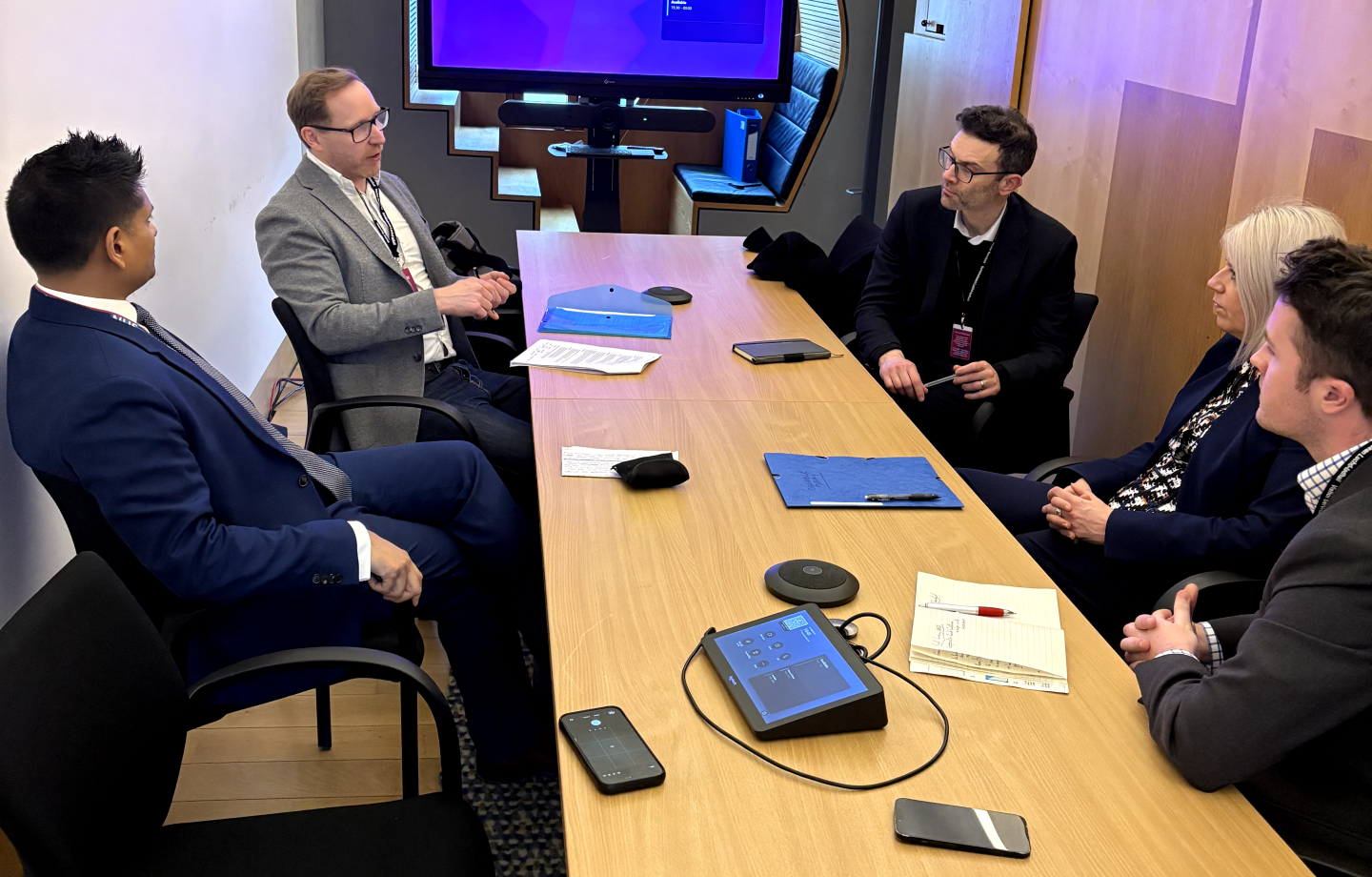
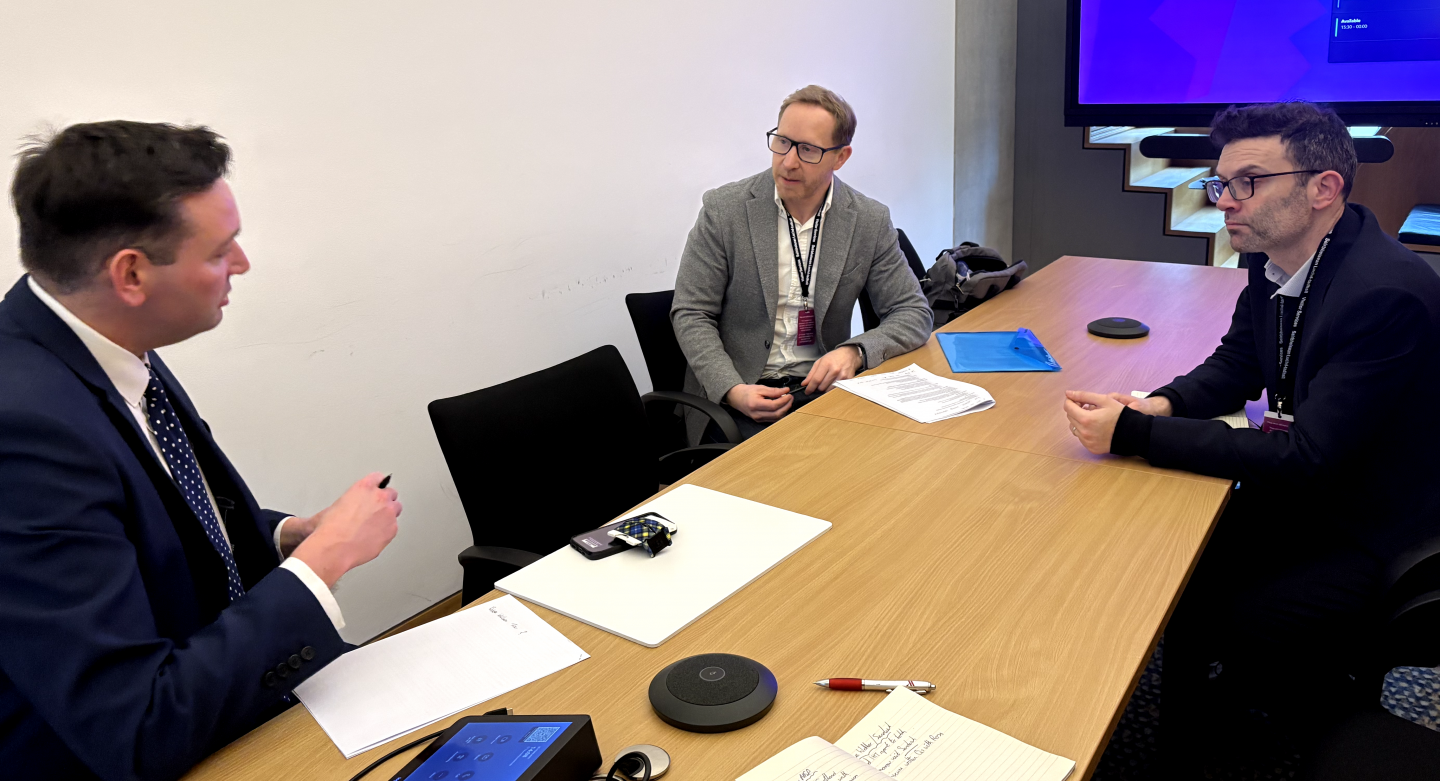
FBUK Member Ross McAlpine joins Matt Jaffa and Tom Ridgway meeting Sue Webber MSP and Dr Sandesh Gulhane MSP

While Scotland holds various tax raising powers, BPR and APR remain UK-wide tax policies administered from Westminster. This made the roundtable and our subsequent discussions an important opportunity to inform MSPs and their teams about the realities facing family firms.

Following this session, we joined four Members of the Scottish Parliament to explore key FBUK priorities. When we sat down with those Members, one thing became abundantly clear: politicians want to hear directly from family business owners. Hearing Ross share his lived experience had a powerful impact – so much so that MSPs immediately arranged a follow-up constituency visit to his business.

Ross McAlpine and Matt Jaffa meet Miles Briggs MSP

At FBUK, we will always champion our members in the corridors of power. But the most influential voice is yours – the voice of real family business experience. So, our call to action for members across Scotland, Wales, Northern Ireland, and England is simple:

Speak up and make sure your voice is heard.

How you can get involved:

  1. Join us for political meetings and roundtables (in-person and virtual),
  2. Take part in policymaking sessions with civil servants, such as our recent meeting with officials from the Treasury,
  3. If you’re visiting London let us know – we’ll contact your local MP and try our level best to arrange a meeting in Westminster,
  4. Tell us if you’d like support arranging a constituency visit – just as we facilitated a mayoral visit for a member this week.

Policy Summit

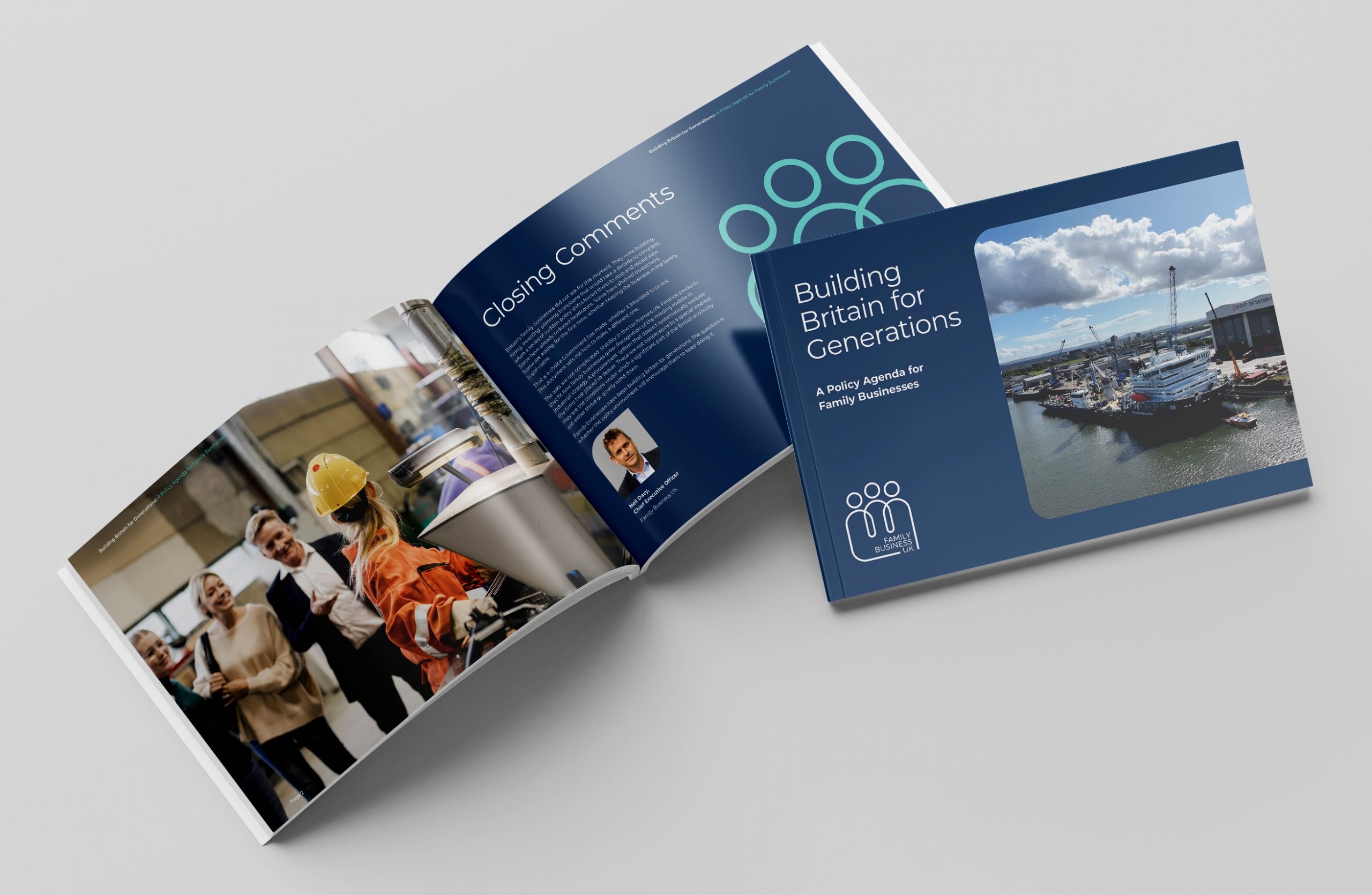
Ahead of that, join us at our inaugural policy summit: Building Britain for Generations, taking place in London on the 31st March which will provide a unique opportunity for FBUK Members to engage with policymakers, industry leaders, and key stakeholders on the pressing issues shaping family business thinking.

Finance Bill second reading: what you need to know

On Tuesday afternoon (16 December 2025), MPs in the House of Commons will debate and vote on the second reading of the Finance Bill – an important moment in the Bill’s journey through Parliament.

The second reading is the first substantive opportunity for MPs to debate the Bill as a whole and to decide whether it should proceed to the next stages of Parliamentary scrutiny. If a majority of MPs vote in favour, the Bill will move on to further stages where individual clauses can be examined and amended in greater detail.

Why this matters to family businesses

The Finance Bill gives legal effect to the Chancellor’s Autumn Budget proposals and contains a number of tax measures that will influence business planning in the years ahead. For family-owned businesses, changes to Inheritance Tax (IHT) and Business Property Relief (BPR) are the most significant.

What the second reading debate covers

At second reading, MPs will debate the overall principles and purpose of the Finance Bill, rather than individual measures or technical details. A treasury minister will open the debate, followed by speeches from opposition parties and backbench MPs. Crucially:

  • No amendments to the Bill can be made at second reading, so the vote is simply on whether the Bill should continue its passage through Parliament.
  • If the Bill passes, detailed examination and opportunities to propose changes will come at the committee and report stages in the New Year.

What happens next if the Bill passes?

Assuming a majority of MPs support the Bill at second reading:

  • It will enter the committee stage, where MPs can scrutinise individual clauses and propose amendments.
  • Following committee stage, the report stage offers further opportunities for changes to the Bill.
  • Finally, the Bill will return for a third reading before moving to the House of Lords.

The House of Commons rises for Christmas recess on 19 December so, any detailed scrutiny of the Bill will come in the New Year.

At the end of the second reading debate on Tuesday, the Government will set out the full timetable for the remaining stages of the Finance Bill, including key dates when crucial IHT legislation can be amended.

Is another rebellion on the cards?

In short no, not at this stage. Earlier in the month, Labour suffered a sizeable rebellion on Resolution 50 of the Finance Bill – the bit of legislation relating to the Government’s changes to IHT. We are seeing Labour MPs concerned about changes to IHT are increasingly speaking out – read FBUK’s analysis here.

Bills rarely fall at Second Reading, and so another rebellion on Tuesday is highly unlikely. However, MPs will have the opportunity to debate the broad principles of the Bill, including the government’s changes to BPR.

Write to your local MP

For family businesses concerned about the impact of new IHT rules, this means lobbying and engagement now is crucial to influencing the next stages.

This is your opportunity to write to your MP ahead of the debate on Tuesday. Download FBUK’s Finance Bill briefing for MPs here.

Find out who your local MP is here.

S&W Becomes Silver FBUK Partner

Family Business UK and the accountancy and advisory firm S&W have agreed a new silver-level Corporate Partnership.

Founded in 1881, S&W is a top 10 UK accountancy firm, supporting more than 23,000 clients from their 17 offices across the country.

Neil Davy, CEO FBUK said

“I am delighted to welcome S&W to Family Business UK adding their knowledge, expertise and counsel to our own, and supporting our Members in building Britain for generations.

“Our Corporate Partners are critical allies in our work. Together, we can better support our Members to navigate the challenges they face today and build strong, innovative family businesses for tomorrow.”

As a silver-level Partner of FBUK, S&W will help deliver thought leadership and meaningful content and guidance to the family business community.

Laura Hayward, Partner S&W added

“We are thrilled to join Family Businesses UK as a new Corporate Partner, joining a movement of businesses and supporters advocating for family businesses and their positive impact in the UK.

“S&W’s partners and professionals are devoted to supporting family businesses through every stage of their journey helping them navigate challenges, unlock potential and achieve the extraordinary.

“We look forward to championing these remarkable businesses that drive innovation, generate employment, and stimulate economic growth across the UK.”

FBUK Magazine Edition 3 Published

Hot off the press, the latest edition of the Family Business UK magazine has been published and is available to download digitally.

Coming at a pivotal moment for family businesses, with important policy changes creating an uncertain outlook, this edition explores some of the key issues you should consider when planning for the journey ahead.

Download the FBUK Magazine

In this edition you’ll find:

  • Steve Rigby – the Chair of FBUK on his ‘North Star’ for FBUK,
  • Views from Westminster including:
    • Gareth Thomas MP the Minister for Services, Small Businesses and Exports,
    • Andrew Griffith MP the Shadow Secretary of State for Business and Trade,
    • Daisy Cooper MP the Deputy Leader of the Liberal Democrats and the Party’s Treasury Spokesperson,
  • William Lees-Jones – Managing Director of JW Lees on campaigning against the changes to BPR,
  • Sarah Dean – Chair of Noble Foods on leading with purpose and the importance of staying true to your values,
  • FBUK Corporate Partners Farrer & Co, Clarion and PwC give their tips on what you need to do to plan for the changes to BPR and APR.
  • We mark 500 years of family business history with FBUK Members Neville Trust (150 years) and Morning Foods (350 years),
  • Caroline Platt shares her lessons from conquering daring adventure challenges and
  • Holly Thallon Steenson on her journey into the family business.

All this, and you can read about our latest research looking at the impacts of the changes to BPR and APR.

Get Involved

If you’ve got news to share, an issue you think we should be covering or perhaps you fancy writing an article yourself, reach out and get in touch with a member of the team.

Advertise in the FBUK Magazine

Would you like to advertise your business and services to some of the UK’s premier family business owners? You can find more information below about securing space in future editions of the magazine. And, if you’d like to talk to us about other advertising, sponsorship and partnership opportunities, we would love to hear from you. You can contact a member of the team here.

Download our media pack

FBUK Publishes Economic & Fiscal impact of changes to BPR

125,700 Jobs and £9.4billion GVA Threatened by Inheritance Tax Change for Family Businesses.
Analysis Indicates £1.3billion Net Fiscal Loss to Government
Family Businesses Call on Government to Consult on the Changes

FBUK Publishes Economic & Fiscal impact of changes to BPR

Changes to the rules on Inheritance Tax for family-owned businesses could lead to a significant reduction in economic activity and lower tax revenues, as companies plan to cut investment and jobs according to new analysis.

Findings from an independent study by CBI Economics, the CBI’s economic consultancy division, on behalf of Family Business UK (FBUK) indicate that, over the term of this Parliament, the decision to cap Business Property Relief (BPR) at £1million could lead to more than 125,000 jobs losses (125,678) and reduce the value of goods and services produced across the economy (GVA) by £9.4billion.

Taken together, these reductions could mean that capping BPR at £1m could result in a net fiscal loss to the Exchequer of £1.3bn between 2026/27 and 2029/30. This is significantly lower than the £1.4bn gain in revenues estimated by the Office for Budget Responsibility (OBR) over the same period from the policy change to BPR alone.

The analysis by CBI Economics, part of which involved a survey of 234 family businesses, finds that over a fifth of family businesses (27%) with assets valued at over £1m expect to transfer the ownership of their business between 2026/27 and 2029/30 in a way that would incur Inheritance Tax. This is expected to lead to nearly 5,000 businesses making adjustments that have an impact on their activity.

To mitigate the additional tax liability the most common response from family business owners was to downsize, cut investment or reduce headcount.
The analysis indicates an:

  • average reduction in investment of 16.5%
  • average reduction in headcount of 10.2%
  • average loss of turnover of 7.4%

Fifteen percent (15%) of family businesses that expect to incur an Inheritance Tax liability say they will sell the business entirely, 9% say they will draw out extra cash from the business in the form of dividends (incurring additional tax at 39.5%), 6% would sell assets and shares to non-family investors and 4% would close, liquidate or relocate overseas.

The analysis shows that even for companies currently below the new £1million threshold for BPR, there is a striking impact on how they behave and plan to mitigate future impacts from Inheritance Tax.

Amongst these businesses:

  • 55% expect investment to reduce with a quarter expecting it to fall by more than 20%, producing an average net reduction of investment of 12.2%
  • headcount would reduce by 9%
  • turnover could fall by 5.8%

Neil Davy, CEO of Family Business UK said:
“Just as we’ve seen among the farming community in relation to APR, changes to BPR announced in the budget will fundamentally remove incentives among owners of family firms to invest in their businesses, and in many cases threaten their viability.

“The CBI Economics research concludes this will come at the expense of jobs, investment, and tax receipts into the Treasury. Downsizing of businesses, asset disposures, complete sale or liquidation are very real unintended consequences of this policy.

“Given a typical business will employ more people than an average farm, there’s a case to make that capping BPR may be even more damaging to the employment figures and the wider economy than capping APR.

“There’s a fundamental misconception that family business owners are hugely wealthy individuals, with large quantities of liquid assets or cash. Nothing could be further from the truth.

“As with farmers, owners of family businesses typically have more than 90% of their personal wealth directly tied-up in the business, allocated to fund growth and investment. To cover this tax liability, business owners will be forced to take money out of the business otherwise allocated to investment, typically via dividends (taxed at 39.5%). Added to IHT, this effectively creates double taxation.

“A common misconception is that BPR is a personal tax relief. In reality this is a tax on businesses, which no other model of business ownership is subject to.

“Government data, published alongside the Budget, forecasts that changes to Inheritance Tax on family business could raise £520m a year from BPR and APR, by the end of the Parliament. Based on data for 2021-22 the Government estimates that around 550 family businesses will be impacted by the change to BPR each year.

“FBUK believes that these figures significantly underestimate the impact of the change. The CBI Economics data support this, predicting the total number of businesses effected expected to change hands for 2026-2027 to be 1,647. Between 2026-27 and 2029-2030 is figure is 4,941, or 8.3% of all family businesses with assets valued at over £1m (59,814).

“Taking the Government’s own definition of SMEs, far from affecting a small number of those with the broadest shoulders, a cap of £1m will also affect many small and medium sized businesses who the Government are claiming to support. And without indexation, the £1m cap also means that more SMEs will fall within scope over time.”

William Lees-Jones, Managing Director of JW Lees said:

“The proposed changes will be a real blow to companies like JW Lees. It has always been our philosophy to invest our profits back into growing our family company resulting in significant investment and the creation of a large number of jobs.

“For us to have to divert funds into dividends to pay Inheritance Tax would be challenging and would inevitably reduce future investment in the company. It would also place our business at a considerable disadvantage to our competitors who tend to be listed or owned by private equity, sometimes overseas.

“We would urge the government to consult with businesses to look at all the potential unintended consequences of these proposed changes.”

Stuart Paver, Chair of Pavers Shoes added:

“Life was simple before the budget. I received shares from my parents, I held onto them and helped grow the business, reinvesting in the long-term growth of the company and then handed it on. But now I must spend time and money looking at how I can avoid leaving a huge burden to the next generation and the outcome is very unlikely to match the Chancellor’s desire for a growing economy.”

Lizzy Rudd, Chair of Berry Bros & Rudd said:
“We are a 326 year old family business, the oldest fine wine and spirits merchant in the UK and one of the oldest businesses in the UK.

“Throughout our long history we have always reinvested in the business rather than giving profit to shareholders. We pride ourselves in being a business that cares about our colleagues, our communities and our planet, and we follow the B Corp principles, having just applied for certification. This means we invest for the long-term for the benefit of all our stakeholders and have a reputation and heritage that is well known across the world”.

“Having Business Property Relief and being able to pass our shares down to the next generation without incurring Inheritance Tax has meant that we didn’t need to accumulate wealth outside the business, allowing us to continue to invest, providing employment and bringing people together from all over the world to the heart of London to share food, wine and conversation together.

“Inheritance Tax will threaten the future of the business and force us to think short-term to maximise returns to shareholders in order to build wealth outside the business to pay a future tax liability”

ENDS.

About Family Business UK (FBUK)
Family Business UK is the largest organisation dedicated to advocating for, promoting, and championing family businesses. It is movement of some of the most innovative, and best-known family businesses across the country, including a number of household names and global companies.

FBUK works to showcase the role and contribution family businesses make to communities across the country, and our wider economy.

FBUK is a not-for-profit organisation.

About CBI Economics
CBI Economics is the economic consultancy division of the CBI. We offer a suite of independent client services including bespoke economic analysis and business surveys. With unrivalled policy knowledge and business insights combined with economic expertise, we can develop a compelling narrative to help you achieve your desired outcomes – whether that be lobbying policy change, building a case for investment or demonstrating the impacts of your business on the economy, on society and on the environment.

CBI Economics conducted a survey following the changes to Business Property Relief (BPR) announced at the Budget. This survey attracted 234 responses from family businesses. The survey first determined the businesses that would be affected by the changes to BPR between April 2026, when the changes come into force, and April 2030. Affected businesses are those over £1 million in value and who are anticipating a share transfer or change of ownership in the period specified.

Businesses were asked how they expected the changes to affect their investment plans, turnover and headcount.

Primary survey data was integrated with additional secondary data collected from official and third-party sources. These informed the inputs to CBI Economics’ in-house economic and fiscal models, which were used to estimate the total economic impacts in Gross Value Added and Full Time Equivalent jobs, along with net fiscal impacts to the Exchequer. Total economic impact was derived primarily using the anticipated reductions in turnover, with CBIE’s dynamic economic model capturing the further implications this would have for supply chains and employee spending.

FBUK addresses Good Governance in Disruptive Times

FBUK addresses Good Governance in Disruptive Times

Family Business UK were delighted to host an open and honest roundtable discussion on ‘Good Governance in Disruptive Times’ in London yesterday, the 6th November 2024.

Kindly hosted by FBUK Corporate Partners PwC and with expert contributions from both PwC and Boodle Hatfield, this session provided senior family business leaders with an opportunity to consider governance challenges faced by a broad range of roles and generations within UK family businesses.

After reframing external risks as opportunities to create agility in business, we explored ‘what is good governance in practice?’

Our panel, including Steve Rigby, James Perry and Sian Steele, expertly moderated by Sophie Ashburton, sought to debate what is most important in relation to good governance?

What might get in the way of good governance? And why are family businesses, at their best, uniquely set up to be exemplars of good governance?

Steve Rigby, CO-CEO of Rigby Group PLC, discussed the importance of family board’s aligning their views so that a message delivered to the executive is heard as one voice. Steve advocated for independent advice/support to help manage the emotion inherent in family business, so that families can better communicate what they wish to achieve.

James Perry, co-Founder and Co-Chair of COOK, explained what it means to be a purposeful organisation and the pride he felt in changing the articles of association to show their commitment to good governance.

James gave tangible examples such as the decision to be part of the Living Wage Foundation and how honesty and transparency created authentic conversation.

Sian Steele, portfolio NED, shared examples of how family businesses can adapt to roll with the punches, pivot fast if they need to or hold hard. Sian spoke about how being direct in the right way (radical candour) is helpful in bringing up things that appear painful to talk about, but are necessary.

The roundtable discussion which followed, conducted under Chatham House Rule, explored a number of individual challenges being faced currently within attendee’s family businesses.

The strong culture of honesty amongst family business meant that attendees felt safe to share in-depth and openly, so that they could gain the support they needed.

Thoughtful input from both subject matter experts and perspectives from other FBUK members, gave practical advice on how to manage the difficulties, learnt from their own experience in similar situations.

Some of the key takeaways from the day included:

  • Getting the formality of governance ‘just right’ is hard work and different for every family, but informal Friday Family Lunch or Tuesday Supper Club may be a step in the right direction.
  • Reconsider the output you would like and re-frame the conversation so that communication is easier and more beneficial.
  • Purpose and aspirations of stakeholders can be a rich and emotive subject, used to engage, find a commonality and drive action for both family and business.

A general consensus about communicating well, whether around the kitchen table or around the boardroom table, meant an investment in relationships which takes a first step towards good governance.

Further Reading on Good Governance

Some “tried and tested” tools recommended by our delegates, in the room, to help understand better ways of communicating included:

  • Insights
  • Love languages
  • See-me
  • Strength finder 2.0

For those interested in some further reading, delegates shared a number of powerful book recommendations including:

  • Radical Candour
  • The fearless organisation
  • Hug of War
  • Who moved my cheese?
  • I’m ok, you’re ok

The FBUK Member Resource Centre

FBUK Members can find further exclusive resources, including our unique digital tool & model – Family Business Life Stages, within the FBUK Members Resource Centre,

As part of FBUK’s support to the sector, the public can access range of topical, “open” expert resources on the FBUK website here.

FBUK shall be running many more events in 2025 to help our members explore best practice and knowledge share, on topics of material import to family business.

FBUK Programmes & Events
View the FBUK Programmes & Events calendar here.


FBUK announce new Corporate Partnership with Lockton

FBUK announce new Corporate Partnership with Lockton

Family Business UK (FBUK) are delighted to announce a new corporate partnership with Lockton, the world’s largest independent insurance brokerage.

FBUK has established partnerships with carefully selected and highly respected organisations, that provide compelling professional services to family businesses.

They are critical allies and supporters of our work with family businesses, to ensure generations to come inherit a more prosperous, inclusive, and sustainable future.

Lockton was founded in Kansas, Missouri in 1966 by Jack Lockton and the Lockton family continues to be involved today.

Independence makes Lockton stand apart. It’s private ownership empowers over 12,000 Associates doing business in over 140 countries worldwide to focus solely on clients’ risk, insurance and people needs.

As the largest privately owned broker, Lockton provides specialist corporate and multinational broking solutions and is free from the quarterly obligations of the financial markets.

Clarissa Franks, Lockton Head of Retail, said: “As a family business and with valued, family-run clients, Lockton is pleased to be the first broker to partner with FBUK. They do great work to represent their members’ interests and bring companies together.

“Family businesses have unique benefits. For Lockton, our independence frees us to always act in the best interest of our clients and create a completely different dynamic.

“We will be working closely with FBUK in championing their needs.”

Neil Davy, CEO at Family Business UK said “We’re thrilled to have Lockton join our growing community of FBUK Corporate Partners.

“As a family business themselves, they pride themselves in putting the interests of their clients, and their long-term success, front and centre.

“We look forward to working closely with them over the years ahead supporting FBUK Members prepare for changing markets and growing risks.”

Contact the Lockton UK team today, for further information as to how they can help your family business at:https://project1-4204x58ma2.live-website.com/who-we-are/our-network/partners/lockton/ 

Find out more about FBUK’s support to the sector, and our carefully selected corporate partnerships, including Lockton, providing meaningful support and services to UK family businesses at www.familybusinessuk.org

END.