
Finance Bill update

After the Government announced an increase in the threshold for both BPR and APR for family businesses and farms from £1million to £2.5million, attention shifts back to Parliament and the progress of the Finance Bill.

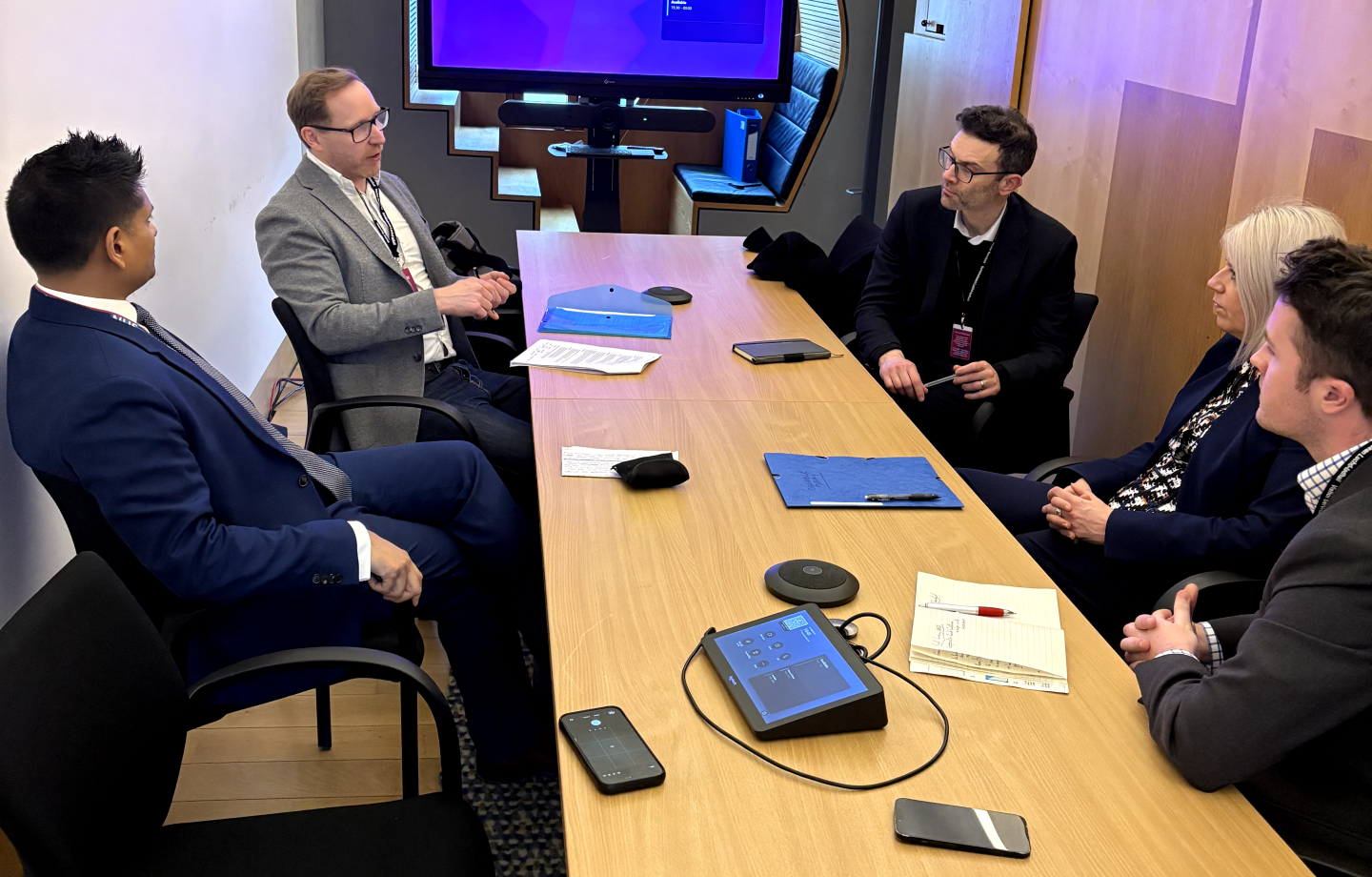
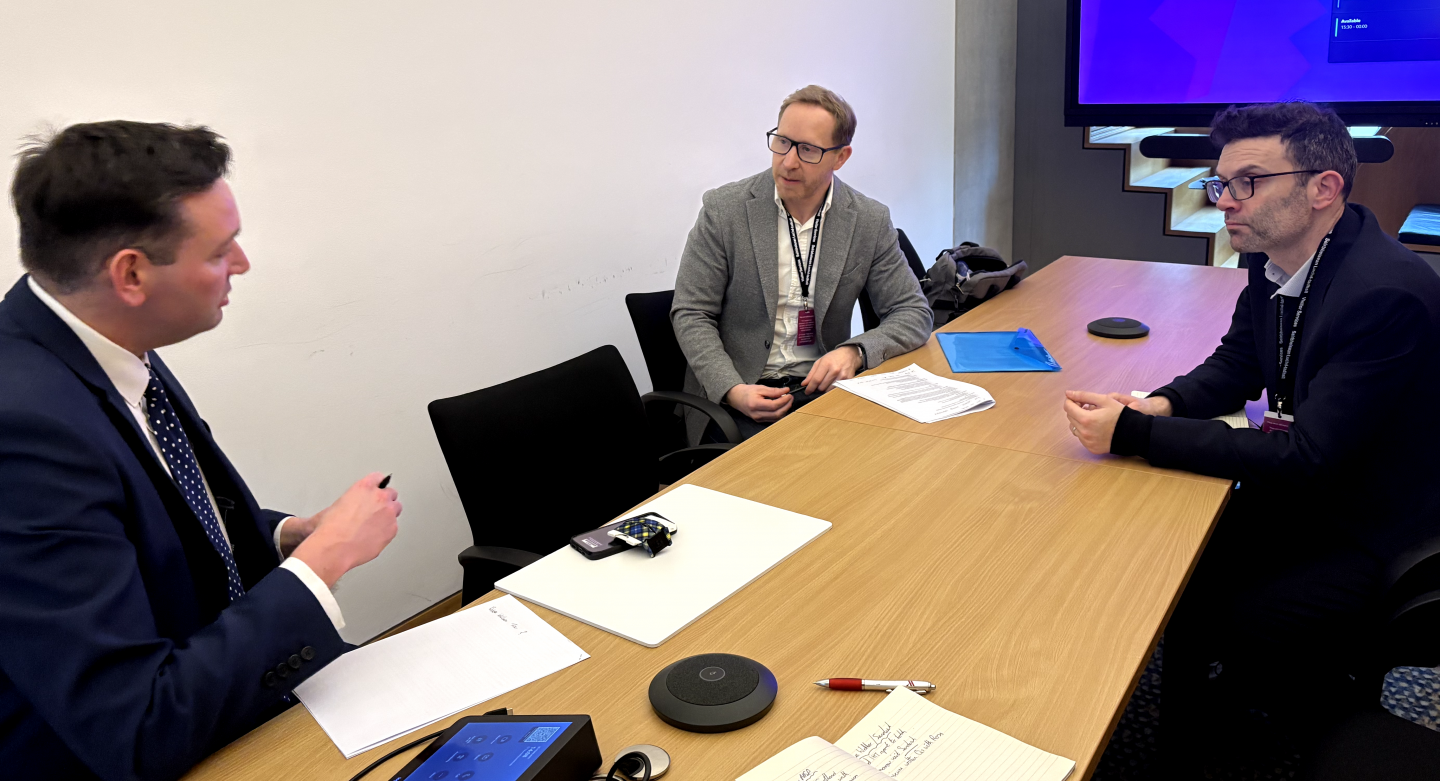
The Bill has now passed the 2nd reading stage and moves to Committee Stage. During this stage, MPs have the opportunity to table amendments to the Bill and FBUK is already engaging with MPs to discuss key points we would like to raise on behalf of our Members.

A list of amendments relating to the changes to inheritance tax have already been laid. These, and others, will be discussed and voted on during the Committee stage although, it’s worth emphasising that the Government would have to lose its majority for any to be passed – so it’s well worth continuing to reach out to your own MPs to stress the importance of their support.

Following the Committee stage, the Bill will progress to the Report stage, which offers further opportunities for changes. That will be followed by a Third reading in the Commons before moving to the House of Lords.

By longstanding convention, the House of Lords has very limited power over tax and spending bills and, as such, we are not expecting any amendments to be carried once it reaches this stage.


Key Dates

12-13 January 2026 – Committee of the Whole House 

  • Changes to IHT (including the APR/BPR reforms) have been selected for consideration in the Committee of the Whole House – a stage where all MPs can participate in detailed discussion of the Finance Bill provisions. 

TBC – Committee, Report, Third Reading

After Committee of the Whole House, the Finance Bill will proceed to: 

  • Report stage in the Commons (further line-by-line consideration)
  • Third Reading in the Commons (final House of Commons approval)
  • House of Lords stages (including Second Reading, Committee, Report and Third Reading)

Royal Assent – Finance Bill Becomes Law

Once both Houses agree the final text of the Finance Bill it will receive Royal Assent. This will enact the reforms to BPR & APR into law. These will take effect from 6 April 2026.

FBUK welcomes increase in IHT threshold

Family Business UK has welcomed today’s announcement from government that the thresholds for both BPR and APR will be increased from £1m to £2.5m. The change means that the allowance for married couples will be increased to £5m.

The change follows the work done by FBUK, and other organisations, over the last 14 months to lobby for changes and amendments to the new rules which will come into effect in April 2026.

Commenting on the announcement, FBUK Chair Steve Rigby said:

This is a welcome step by the Government which will bring certainty and peace of mind to thousands of smaller family businesses and farms. It shows the Government has been prepared to listen to the economic and moral arguments that we and other organisations have made on the importance of these policies.

Family businesses and family farms are critical to the fabric of the UK’s economy and food production. For decades they have relied on BPR and APR to facilitate a smooth handover of the business when an owner dies. Raising the cap to £2.5m, or £5m for married couples, is the right thing to do to reinvigorate investment and growth among these smaller family businesses and farms.

Nevertheless, retaining the cap for businesses valued higher than this remains a material challenge and we look forward to continuing our work with government on solutions that will give them the confidence they need.

Cautious welcome for farming review

Family Business UK has given a cautious welcome to the Government’s review of farming profitability – conducted by the former NFU President, Baroness Minette Batters.

The review, which was commissioned earlier in 2025, makes 57 recommendations to government. For family-owned farms and businesses the core issue of changes to inheritance tax fell outside the scope of the review. Nevertheless, nearly every respondent cited the changes to IHT as the single biggest issue they faced causing concern about what may lie ahead.

Commenting on the report, Neil Davy, CEO FBUK said:

Like all companies, family-owned farms and businesses need confidence to invest and grow not just for today but for years, even decades into the future. But, the changes to inheritance tax have sapped the confidence of owners leaving many to question how they will plan for an uncertain future?

So, whilst we welcome the report by Lady Batters it is a missed opportunity, by government, to hear the genuine concerns of the millions of family farm and family business owners whose long-term prospects and long-term profitability are significantly impaired by changes to inheritance tax.

Our research remains the only impact assessment of this policy change – highlighting the economic and fiscal impact that are likely to result not just within the businesses and farms but across their supply chains and amongst the people whose livelihoods they support – 208,000 job losses, £15 billion less economic activity and a net tax loss to government of £1.9 billion.

Economic growth and robust food security are vital to this country. But this single policy change undermines both. Family Business UK and our Members remain open and keen to engage with government on amendments which can deliver these objectives whilst also protecting the millions of family-owned businesses and farms across the UK and give them back their confidence to invest for the future.

Finance Bill second reading: what you need to know

On Tuesday afternoon (16 December 2025), MPs in the House of Commons will debate and vote on the second reading of the Finance Bill – an important moment in the Bill’s journey through Parliament.

The second reading is the first substantive opportunity for MPs to debate the Bill as a whole and to decide whether it should proceed to the next stages of Parliamentary scrutiny. If a majority of MPs vote in favour, the Bill will move on to further stages where individual clauses can be examined and amended in greater detail.

Why this matters to family businesses

The Finance Bill gives legal effect to the Chancellor’s Autumn Budget proposals and contains a number of tax measures that will influence business planning in the years ahead. For family-owned businesses, changes to Inheritance Tax (IHT) and Business Property Relief (BPR) are the most significant.

What the second reading debate covers

At second reading, MPs will debate the overall principles and purpose of the Finance Bill, rather than individual measures or technical details. A treasury minister will open the debate, followed by speeches from opposition parties and backbench MPs. Crucially:

  • No amendments to the Bill can be made at second reading, so the vote is simply on whether the Bill should continue its passage through Parliament.
  • If the Bill passes, detailed examination and opportunities to propose changes will come at the committee and report stages in the New Year.

What happens next if the Bill passes?

Assuming a majority of MPs support the Bill at second reading:

  • It will enter the committee stage, where MPs can scrutinise individual clauses and propose amendments.
  • Following committee stage, the report stage offers further opportunities for changes to the Bill.
  • Finally, the Bill will return for a third reading before moving to the House of Lords.

The House of Commons rises for Christmas recess on 19 December so, any detailed scrutiny of the Bill will come in the New Year.

At the end of the second reading debate on Tuesday, the Government will set out the full timetable for the remaining stages of the Finance Bill, including key dates when crucial IHT legislation can be amended.

Is another rebellion on the cards?

In short no, not at this stage. Earlier in the month, Labour suffered a sizeable rebellion on Resolution 50 of the Finance Bill – the bit of legislation relating to the Government’s changes to IHT. We are seeing Labour MPs concerned about changes to IHT are increasingly speaking out – read FBUK’s analysis here.

Bills rarely fall at Second Reading, and so another rebellion on Tuesday is highly unlikely. However, MPs will have the opportunity to debate the broad principles of the Bill, including the government’s changes to BPR.

Write to your local MP

For family businesses concerned about the impact of new IHT rules, this means lobbying and engagement now is crucial to influencing the next stages.

This is your opportunity to write to your MP ahead of the debate on Tuesday. Download FBUK’s Finance Bill briefing for MPs here.

Find out who your local MP is here.

Budget 2025 analysis

Budget 2025 delivered a mixed picture for family businesses. While some of the most worrying proposals that had been trailed in recent weeks did not appear, this remains a Budget that raises significant revenue, leaving the UK with the highest overall tax take since the second world war.

The Chancellor spoke of wanting the UK to be “the best place to start up, scale up and stay” and said that “growth begins with the spark of an entrepreneur”. She promised that “if you build here, Britain will back you”.

These are welcome words but the measures announced today don’t fully match that ambition for family businesses.

Snapshot

  • No major shocks: Many feared tax hikes did not materialise.
  • Still a revenue-raising Budget: Freezing personal tax allowances and thresholds means more income will be drawn into higher tax bands over time. Dividend and property tax changes will also increase the overall burden.

Notable announcements

Inheritance Tax

  • The Government announced that unused allowance for agricultural and business property reliefs will be transferable between spouses and civil partners.  
  • This brings BPR/APR allowances in line with normal IHT allowances that everyone gets.
  • For some, their effective allowance will now be £2 million not £1 million.
  • Indexation: the Government has delayed the indexing of the £1 million allowance to the Consumer Price Index (CPI) to 2031, one-year later than stated in the Finance Bill. Indexation of the reliefs has been an important ask we have put to government so, further delay is disappointing and will have the effect of pulling more and more businesses above the threshold at which full relief from IHT is removed.

Despite speculation in the press, there have been no changes to IHT gifting rules or CGT uplift on death.

However, in the detail of the Budget (in what’s known as The Red Book) there is commentary about anti-avoidance measures around IHT:

The Government will legislate to prevent Inheritance Tax avoidance through certain loopholes, including ensuring UK agricultural property held via non-UK entities is treated as UK-situated addressing Budget 2025 changes in status of trust assets before and exit charge, and restricting charity exemptions to direct gifts to UK charities and clubs.

We will be following up with HM Treasury and HMRC to get more details on the specifics around these announcements.

Commenting on the changes announced to the rules on spousal transfers, FBUK CEO Neil Davy said:

The Chancellor’s announcement allowing family business owners to transfer their £1m allowance between spouses is a welcome step and one of the proposals we asked the Government to consider.

But it represents a minor tweak to a policy that is doing enormous damage to private and family owned businesses and farms.

The changes to BPR and APR have led business owners to cut investment and stop hiring. Regardless of today’s concession, family businesses and farms are subject to a tax that no other model of business ownership has to pay.

The announcement is recognition that the Government got this policy wrong last year. Minor tweaks do not make it right.  The right thing for government is to pause this policy and work with us to find a better solution than this damaging tax.


Other key announcements

  • National Insurance and income tax thresholds will be frozen for an extra three years until April 2031.
  • Cap for pension salary sacrifice schemes from 2029 – with contributions above £2,000 subject to tax in the same way as other employee pension contributions.
  • Cap of £12,000 a year for Cash Isas from April 2027 for the under-65s. Remaining at £20,000 for over-65s.
  • Two-child benefit cap scrapped from April 2026.
  • Properties worth more than £2m charged £2,500 annually and properties worth more than £5m charged £7,500.
  • Pay per mile charge for electric vehicles – 3p per mile for electric cars and 1.5p for plug-in hybrids.
  • Fuel Duty Frozen until August 2026 and then gradual increases

On the changes to salary sacrifice, FBUK Chief Operating Officer Fiona Graham said:

Capping salary sacrifice on employee pensions at £2,000 will make it more costly for business to maintain competitive workplace schemes. For employers running salary sacrifice arrangements there will be potential additional costs in supporting their employees to save for retirement.


UK economic context at a glance

  • The government forecasts UK GDP growth of 1.5% in 2025, up from 1.0% at the time of the previous spring forecast.
  • The independent forecaster Office for Budget Responsibility (OBR) has lowered its medium-term productivity outlook by 0.3% to 1.0% by the end of the five-year period.
  • The OBR has downgraded its forecast for business investment, with growth in investment averaging 0.75% a year between 2026-2030
  • The government is on track to meet its fiscal rules: borrowing is forecast to fall, and public-sector debt (as a share of GDP) is set to decline by 2029–30.
  • The government will ‘more than double’ the fiscal headroom against its stability rule to £21.7bn.  

Employment announcements

  • Increasing the National Minimum Wage rate (from £10 to £10.86 per hour and the National Living Wage (from £12.21 to £12.71)
  • Training for under-25s on apprenticeships will be made free for small and medium-sized enterprises.

On minimum wage and apprenticeships, Fiona Graham said:

Training for under 25s on apprenticeships will be made free for small and medium-sized enterprises. With nearly a million young people still out of work or training, boosting access to apprenticeships is a helpful step. However, recent above-inflation minimum wage rises have pushed up costs for SMEs which will blunt the impact of the Government’ office and make it harder to take on young talent.

In light of the changes to IHT, family businesses will still be having to put aside money to cover a large IHT bill. This will continue to have a knock-on affect on their ability and appetite to create jobs, including opportunities for young people.


Business announcements

  • Reforms to Customs Duty relief for low-value imports: relief for goods under £135 is being removed – a change that will affect importers, particularly online retailers relying on low-cost imports.
  • Stamp Duty holiday for newly listed companies – three-year exemption on newly issued shares.
  • Permanent reduction for many business-rate bills in retail, hospitality and leisure.
  • Business Rates – the government is introducing a higher rate for those with rateable values of £500,000 and above, but many businesses will now see a significant increase in their rates – particularly in retail and hospitality where Covid-era support is now phasing out.
  • Higher Dividend Tax – up by 2% for the basic rate (8.75% to 10.75%) and the higher rate (33.75% to 35.75%). The additional rate remains unchanged.
  • Enterprise Management Incentive – increasing the company eligibility limits for the Enterprise Management Incentives scheme (EMI) to allow scale-ups to join start-ups in offering tax-advantaged shares.
  • Lower Writing Down Allowance for business investments from 18% to 14% – meaning businesses can’t deduct as much of their investment costs from profits as before. However, as most businesses would claim full expensing this is unlikely to have a material impact.
  • Writing Down Allowance (1st year) – from 1st Jan 2026 the government will introduce a new first-year allowance of 40% for main‑rate assets.  Cars, second-hand assets and assets for leasing overseas will not be eligible.
  • Employee Ownership Trusts – The government will reduce the relief available on these disposals from 100% of the gain to 50%.

FBUK welcomes positive step on day-one rights

FBUK has welcomed a decision by the Government to drop plans giving protection from unfair dismissal to new workers from their first day in a job.

The plan, which was a key election manifesto pledge, and a central feature of the Government’s Employment Rights Bill, will instead see the Government introduce protection for workers after six months in a job.

FBUK, along with other business organisations, has called on the Government to drop the commitment to day-one rights on unfair dismissal arguing it would deter businesses from hiring. Other day-one rights including statutory sick pay and paternity leave will go ahead as planned from April 2026

Fiona Graham, Chief Operating Officer said:

We welcome the Government’s decision to move away from day-one rights for unfair dismissal and introduce a six-month probationary period.

This is a positive step that gives businesses the flexibility they need to recruit and retain the right people. For family businesses, where culture and trust are critical to success, a fair probationary period helps ensure the right fit.

However, this change also signals the need for a fundamental review of the Employment Rights Bill to make sure it truly supports businesses and their ambition to invest and grow, while helping the Government deliver its number one priority: growth.

FBUK calls for action on family business tax

Chancellor urged to reverse or pause damaging BPR reforms

FBUK says Autumn Budget ideal time to rethink

Warns against further business-focused tax rises

New data from FBUK shows 65% of family firms say higher costs including employment and energy are barrier to investment and growth below

Press Release

Family Business UK is urging the Treasury to use next week’s Budget to pause or reverse planned changes to inheritance tax, announced in last year’s Budget, and consult on workable alternatives to power growth.

The organisation, which represents family businesses employing almost half a million people, says that by persisting with the proposed changes to Business Property Relief (‘BPR’) and Agricultural Property Relief (‘APR’), the Government is pursuing a policy that harms jobs, weakens growth and could lower tax revenues.

Independent research commissioned by FBUK, and published this year, shows that the changes to BPR and APR could see more than 208,000 job losses by the end of this Parliament, cut economic activity by almost £15 billion and result in a net fiscal loss of £1.9 billion.

In addition, new research commissioned by FBUK, and due to be published next year, shows that while most family firms aim to grow in 2026 almost two thirds (65%) say higher costs of employment and raw materials costs are acting as a barrier to growth. More than half of family businesses (57%) are also held back by the on-going impact of high energy prices.

Against this backdrop FBUK says it would be untenable for government to contemplate further business-targeted tax increases in next week’s Budget. Instead, it is urging government to focus on big revenue raisers like National Insurance and Income Tax rather than opting for a smorgasbord of small changes which have the potential to do lasting economic damage.

Fiona Graham, COO Family Business UK, said:

“From the beginning, this Government has promised that economic growth is its number one mission. There isn’t a single business in the country that wouldn’t support that. But if the changes to BPR and APR go ahead unchanged, then family business owners and the tens of millions of people they employ will feel let down.

“All business needs a supportive policy landscape to have the confidence to invest for the future. Higher employment and energy costs are clearly acting as a drag on growth. Family businesses face the additional challenge of Inheritance Tax. No other model of business has been singled out in this way and it has, unsurprisingly, sapped their confidence to make the long-term investments their business and this country needs.

“We have spent the last year asking government to pause this policy change and consult on workable alternatives that support growth and the model of family ownership. There is still time, and this Budget offers the perfect opportunity to announce a rethink.”

Gary Dawson, Chairman AV Dawson Group, an 80 year-old family business which owns and operates the Port of Middlesbrough, located within Teesside Freeport the UK’s largest freeport, said:

“Family businesses like ours play a vital role in driving investment and creating much-needed skilled jobs in Teesside. We reinvest all profits locally, support apprenticeships and help sustain the wider supply chain that underpins our regional economy. The proposed changes to inheritance tax reliefs risk undermining that stability and confidence at a time when businesses are already facing significant cost pressures.”

“These reliefs are not loopholes, they are essential tools that allow us to continue investing in people and infrastructure and plan for succession. We need policies that encourage investment, continuity and long-term thinking, not measures that make it harder to plan for the future. Pausing these reforms would be a welcome signal that the Government understands the realities facing family firms up and down the country as well as their importance in delivering growth.”

FBUK is publishing its Budget submission ahead of Family Business Week, which starts on Monday (24 Nov), to celebrate the contribution family businesses make to the economy and communities up and down the country.

During the week, FBUK will also be running campaigns and workshops to support family firms to take their first steps to trading internationally. Across the UK, almost 280,000 businesses export goods or services to more than 200 countries in trade worth £838 Billion. But this means that just 11.5% of UK firms are exporting, offering enormous potential for growth.

Fiona Graham, COO of Family Business UK, says:

“Family businesses are the rock on which our economy, and communities thrive. Given a supportive policy environment, they can also power UK economic growth on an international stage.

“Thousands of family businesses already trade internationally including large firms like Walker’s Shortbread. But small and mid-sized family firms are also successfully exporting including Gerald McDonald Group, Healeys Cyder and Viridian Nutrition.

“Family Business Week is about demonstrating to government that by working with the rich diversity of family-owned businesses right across this country, they can be the key to unlocking growth.

“Family businesses are unique in their long-term approach to investment and growth. They have been building Britain for generations and it’s a privilege to celebrate their achievements and successes during Family Business Week.”

FBUK repeats call for BPR consultation

Family Business UK has called on the Government to pause the proposed changes to BPR and APR and warned against any further business-targeted tax increases that will undermine investment and stifle growth.

In its Budget submission, FBUK has repeated its appeal for the Government to consult on the changes to inheritance tax for family businesses and find a route forward that reduces the impact on family and farming businesses.

Taxing Futures. The economic and fiscal implications of changes to BPR and APR for UK family businesses and farms

Research published by FBUK this year shows the changes to BPR and APR could lead to more than 208,000 job losses during the term of this Parliament, reduce economic activity by almost £15 billion and government tax receipts by £1.9 billion.

Against this backdrop, FBUK says:

It is untenable to contemplate further business-targeted tax rises. A broad wealth tax, or new restrictions on dividend taxation that penalise owner-managers, would have a similar effect. Business wealth is not an untapped source of government revenue; it is the working capital of firms. Taxing it aggressively forces asset sales, undermines investment and destroys the very businesses that generate jobs and taxes.

Elsewhere FBUK’s budget submission calls on the Government to:

  • commit to a strategy to support mid-sized firms in unlocking long-term, sustainable growth across the whole of the UK.
  • put family firms at the heart of the devolution mission, working in partnership with them to deliver local investment and growth
  • work with FBUK to deliver tailored advice and support to family businesses, to help them take advantage of new export opportunities and drive growth.
  • ensure export support and finance is better targeted to support family firms take their first steps into export
  • reintroduce VAT free shopping for international visitors
  • take the macroeconomic family business situation into account when assessing the Low Pay Commission’s advice on the NLW and NMW rates to come into effect in April 2026.

Fiona Graham, Chief Operating Officer at FBUK said:

We are absolutely clear that any further business-targeted tax increases in this Budget, will only serve to undermine investment and stifle growth.

Changes to the rules on inheritance tax for family businesses, announced last year, have been hugely damaging to our members and the entire family business community. But there is still time to pause and consult, and for government to work with us to find a better solution that supports Britain’s family businesses.

We would encourage the Government to use next month’s Budget to prioritise growth-friendly policies that support family businesses to do what they do best – create growth and prosperity in every region of the UK and maximise new opportunities in markets around the world.

Read FBUKs full budget submission.

Image: William – stock.adobe.com