High Court to hear IHT case in March

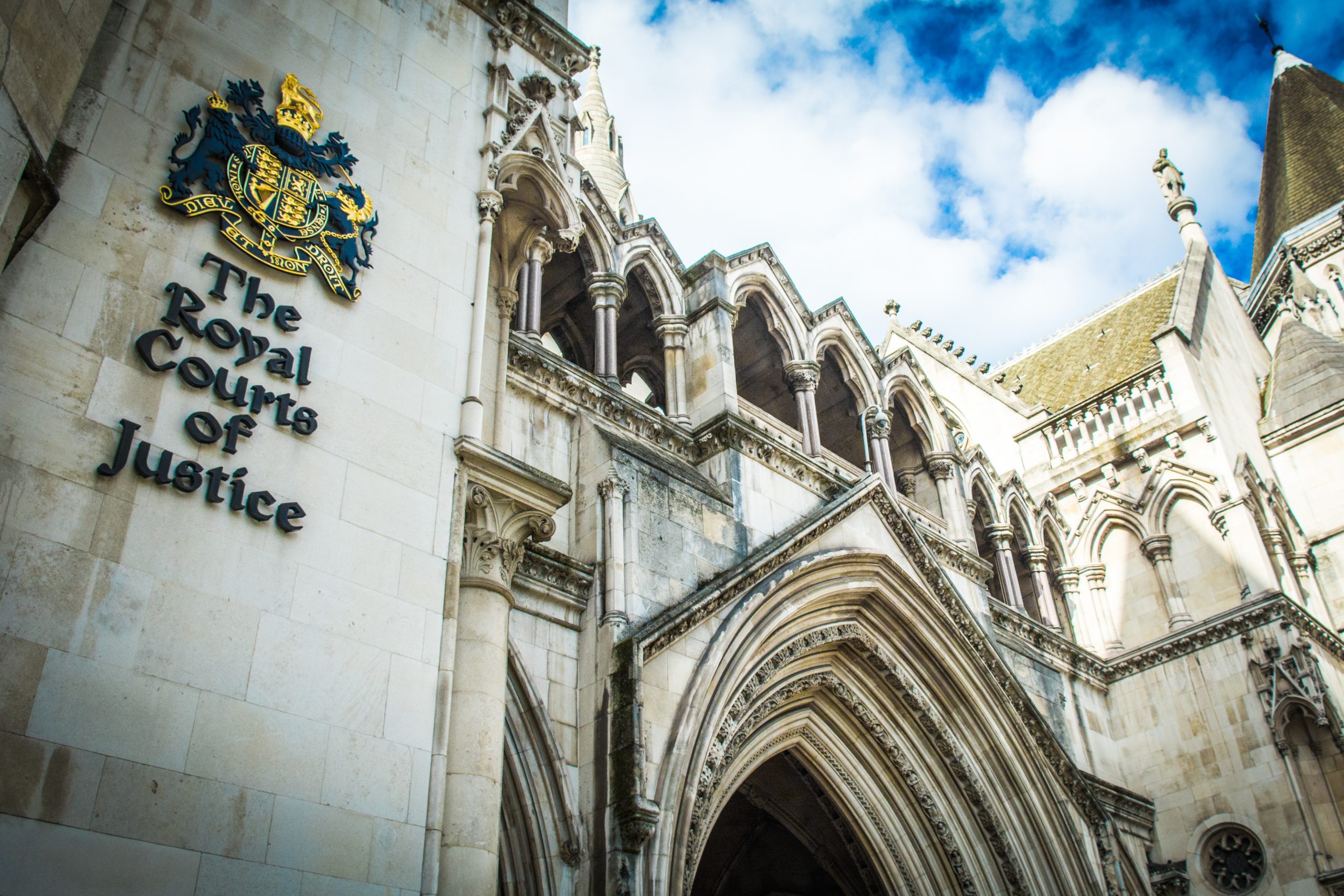
The High Court has scheduled an urgent two-day hearing at the Royal Courts of Justice on the Government’s changes to inheritance tax for family businesses and family farms.

The hearing is scheduled for the 17-18 March and will be heard by a panel of senior judges in the Divisional Courts.

The Claimants behind the Judicial Review against the changes to BPR and APR believe the Government acted unlawfully by failing to comply with prior promises to consult properly with affected taxpayers, and undertaking only a limited technical consultation in relation to certain narrow aspects of their APR and BPR changes.

Commenting on the announcement, Fiona Graham, COO Family Business UK said:

“Family businesses have known for some time that a High Court hearing on the changes to BPR and APR was imminent. Owners will welcome this clarification that it will now be heard in March.

“The changes to BPR and APR for all family-owned businesses pose a material challenge to their long-term prospects. In the face of that uncertainty, businesses have paused and cancelled investment and jobs as a result of the policy change.

“Family businesses crave certainty—it underpins their long-term approach. We will continue to support our Members and all family businesses to ensure they have the clarity they need to thrive as a multi-generational business.

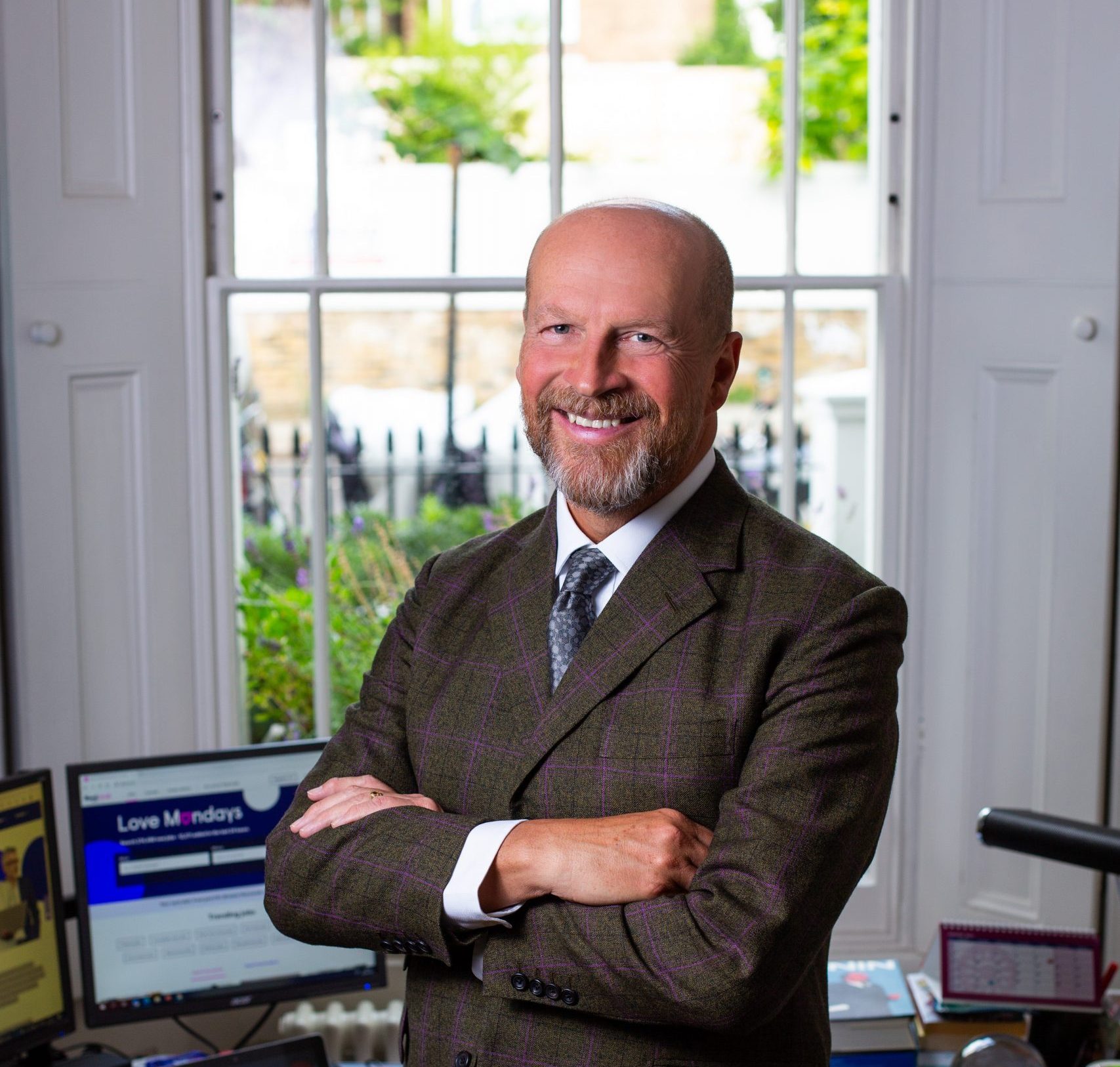
Government must reverse course on inheritance tax relief – James Reed CBE

AS CEO of one of Britain’s biggest family businesses, which works every day with tens of thousands of other employers, I understand the contribution that owner-run firms make to our economy and our communities. 

From the moment my late father Sir Alec founded Reed in 1960, through nearly seven decades of growth, innovation and, crucially, job creation, our purpose has been simple: improving lives through work. 

This reflects our family values — and I am always conscious that it’s our name above the door.

Yet today the ecosystem of family firms that underpin the UK’s economic life is at risk from a short-sighted tax policy that I believe should be reversed.

Britain’s family businesses are the backbone of our economy. Family firms make up a startling 90 per cent of businesses across every region, sector and community, and employ well over half the workforce.

These are enterprises rooted in local towns and cities, not international hedge funds chasing quarterly returns. Their investment horizons stretch decades, not months. Their “shareholders” are parents, sons, daughters and very often lifelong employees.

A Government that wants to support growth, jobs and long-term prosperity should be straining every sinew to encourage these enterprises, not impose new burdens on them.

Yet the Chancellor has introduced controversial reforms to Business Property Relief (BPR) — a relief that has, for generations, allowed family businesses to be passed from one generation to the next without crippling tax liabilities. From April, this historic relief will be capped. After an outcry the Chancellor made a semi U-turn and increased the threshold at which this will apply both for family firms and farms from £1 million to £2.5 million. Any value above that will face an inheritance tax charge — a new 20 per cent levy.

The adjustment to the policy has not fixed the problem. Many mid-sized family firms will still be dragged into the tax net.

This matters, because the bulk of the value of family firms is often tied up in people, premises and long-term investment. They are asset rich and cash poor. Many operate on fine margins. They reinvest much of what they do earn in training staff, developing products and supporting local economies. Few have mountains of ready cash lying around to settle tax bills running into millions of pounds on the death of a founder or major shareholder.

The inevitable consequence of these reforms is two-fold: first, a chilling effect on investment and hiring; and second, the forced sale or break-up of companies that would otherwise continue to thrive under family stewardship for years to come.

People inheriting companies will have to raise cash to settle the debts that arise. There will be huge pressure to sell — and who will swoop in but private equity?

Is our strategy to ensure great British-owned enterprises fall into the hands of foreign vultures who will cut them to the bone and flip them after five years? If not, the Government should think again.

Already, surveys and economic modelling suggest that family businesses are responding to the uncertainty by cutting investment plans, pausing recruitment and scaling back expansion. 

I am following closely the progress of a judicial review being brought by a group of family businesspeople based on the Government’s failure to consult, which is due to be heard in the High Court shortly.
If ministers had consulted, they would have been warned that their proposals could lead to 208,000 job losses, according to research for Family Business UK.

This is the last thing we need at a time when young people are finding it harder to secure stable work and when policies such as a higher minimum wage and employers’ National Insurance, not to mention the march of AI, are already weighing heavily on the labour market.

Jobs are my business and let me speak plainly: they don’t grow on trees. They are created when entrepreneurs take risks, when founders reinvest profits into hiring and training and when companies plan with a long-term view rather than focusing on the need for short-term profitability. Family firms do exactly that.

By contrast, the forthcoming inheritance tax reforms actively discourage growth beyond arbitrary thresholds, because owners will be forced to ask themselves whether building a business is worthwhile or whether it will simply saddle their heirs with tax bills they cannot meet. 

Why invest in your family business if all it will do is punish the next generation?

It’s no surprise that some owners are already restructuring, selling shares prematurely or not pursuing the expansion that would have otherwise created jobs and boosted tax receipts. An alternative option is to give shares to a charity and become a ‘philanthropy company’, or PhilCo, like Reed, which will soon be 20 per cent owned by the Reed Foundation.

This is also about what’s best for the public finances. Early projections suggested that the reforms might raise a few hundred million pounds for the Treasury. But when one takes into account the contraction in economic activity, reduced employment and lost tax revenues from corporation tax and National Insurance, the net fiscal impact looks likely to be negative.

A responsible Government would recognise this. So what should happen next?

First, the Government should pause the implementation of its reforms and undertake a full consultation with business leaders and economic experts. This should start from the premise that family enterprises should continue to be able to be inherited without undue tax impact — not just the smallest firms, but across the spectrum that contributes so much to jobs and regional prosperity.

Ministers should be going all out to support family businesses and to foster a modern UK equivalent of the German Mittelstand: the owner-run firms that have for many decades formed the backbone of that country’s economy.

Britain already struggles to scale up its companies. We are second to none in founding startups, but too many promising ventures end with founders selling up rather than building multi-generational firms. Let’s not make this problem worse by handicapping the very enterprises that can provide the stable, long-term employment and investment this country desperately needs.

It’s time to reverse course. Let’s back British family business — the real job creators, the anchors of our communities and the engine of long-term economic growth.
Freeths join FBUK Corporate Partner Programme

FBUK has announced that leading law firm Freeths has joined the organisation’s Corporate Partner Programme.

FBUK’s Corporate Partners are carefully selected and highly respected organisations providing professional services to family businesses.

Freeths is a large, award winning, full-service law firm operating from 13 offices across the UK. They are proud to be a certified B Corporation, reflecting a dedication to high standards of social and environmental performance, transparency, and accountability.

With more than 1,300 people working across the firm, Freeths offer energy and innovative thinking to help clients achieve their goals. With a comprehensive understanding of the unique needs and complexities of family businesses, working closely with owners and their team of advisers to build lasting relationships and deliver seamless, tailored solutions.

Commenting on the partnership, Tom Walker, Partner at Freeths said:

At Freeths, we see enormous opportunity in the future of UK family businesses, and are proud to support their growth potential. Joining FBUK’s Corporate Partner programme is a fantastic chance for us to work even more closely with these enterprises at the forefront of innovation that shape the UK economy.

This partnership also marks a significant milestone in our commitment to strategically guiding families through every stage of their business and personal journey. Family businesses are full of ambition and potential, and we’re excited to work alongside them as they navigate growth, governance and succession.

Neil Davy, CEO FBUK added:

We’re delighted to welcome Freeths to our Corporate Partner programme. With more than 200 years of experience and a commitment to the principles and practices of responsible business, they are ideal partners to support our Members with their unique business and governance challenges – whilst remaining true to their purpose and values.

All our Corporate Partners are critical allies in our work to ensure that Members can do what they do best – build our country and our communities for generations to come. I very much look forward to working with the team at Freeths to provide our Members with the knowledge, insights and service they need.

FBUK meets Scottish policymakers

With elections on the horizon, one message is coming through loud and clear:

politicians want to hear from family businesses – and they are ready to listen.

Matt Jaffa, FBUK Policy Director


Following our visit to meet Welsh politicians at the Senedd in January, Family Business UK’s policy and public affairs team has continued engagement across the Nations & Regions with a productive trip to Edinburgh.

The Scottish Parliament elections on 7 May are expected to bring significant political shifts. With the economy ranking as the top concern for Scottish voters, the voice of business – and particularly family business – has never been more important.

Our visit to the Scottish Capital began with a roundtable hosted by the Business Growth Fund and led by the Scale Up Institute. Senior advisers from the Treasury joined us to discuss growth, investment, and the tax policies needed to support thriving businesses.

We were particularly pleased to have FBUK Member Ross McAlpine join us for this session to share his perspective on the impact of Business Property Relief (BPR) on investment, growth and tax receipts.

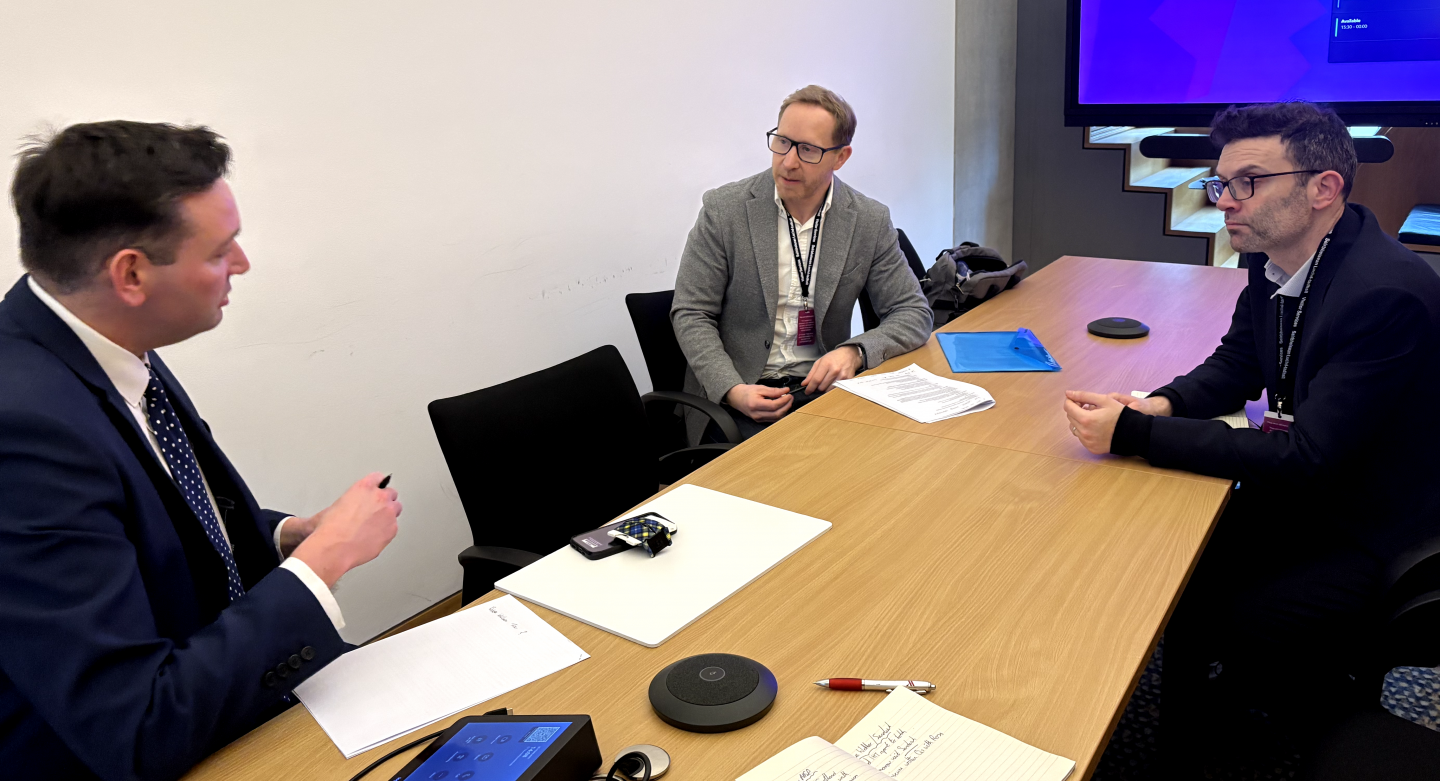
FBUK Member Ross McAlpine joins Matt Jaffa and Tom Ridgway meeting Sue Webber MSP and Dr Sandesh Gulhane MSP

While Scotland holds various tax raising powers, BPR and APR remain UK-wide tax policies administered from Westminster. This made the roundtable and our subsequent discussions an important opportunity to inform MSPs and their teams about the realities facing family firms.

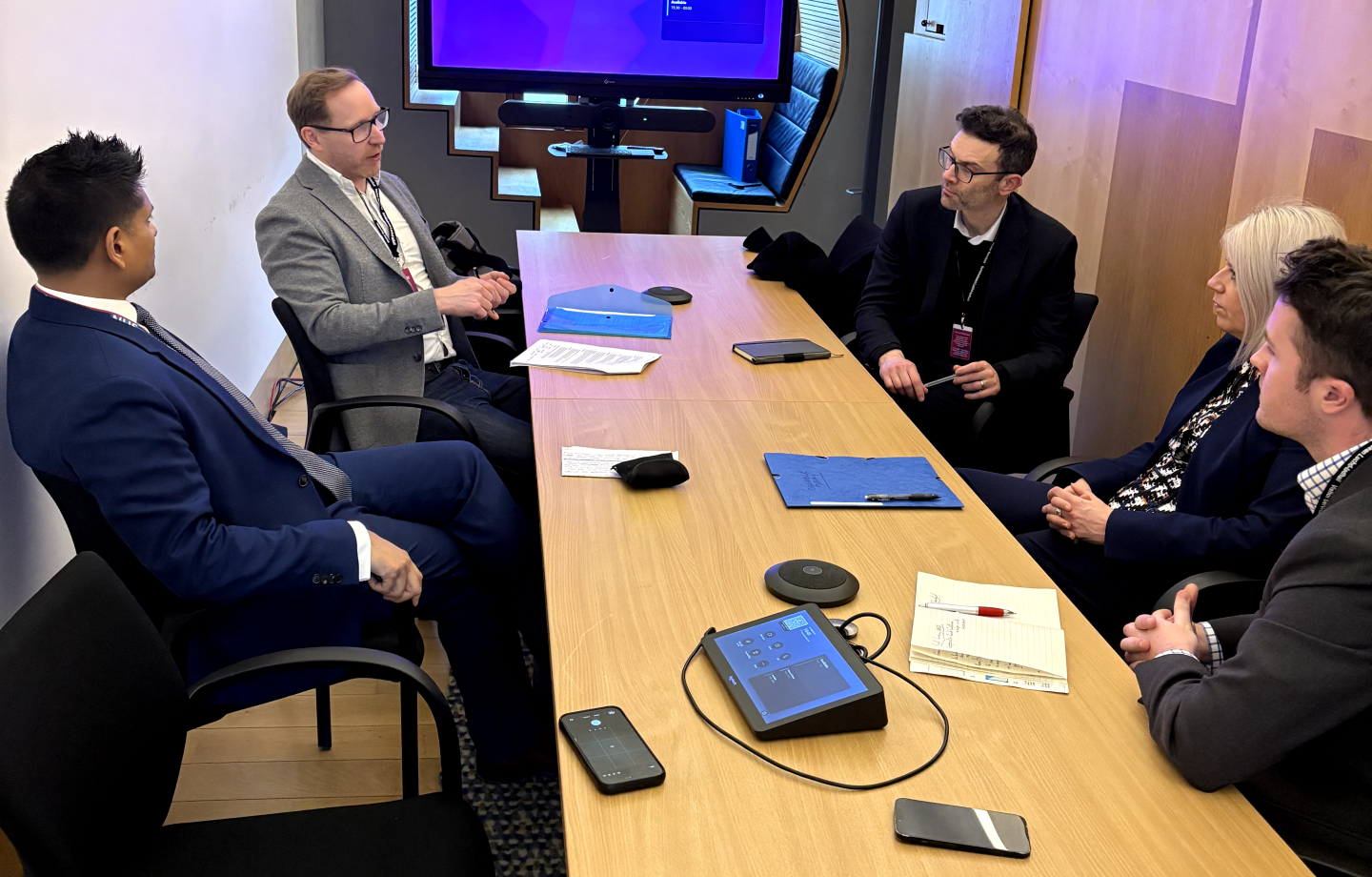
Following this session, we joined four Members of the Scottish Parliament to explore key FBUK priorities. When we sat down with those Members, one thing became abundantly clear: politicians want to hear directly from family business owners. Hearing Ross share his lived experience had a powerful impact – so much so that MSPs immediately arranged a follow-up constituency visit to his business.

Ross McAlpine and Matt Jaffa meet Miles Briggs MSP

At FBUK, we will always champion our members in the corridors of power. But the most influential voice is yours – the voice of real family business experience. So, our call to action for members across Scotland, Wales, Northern Ireland, and England is simple:

Speak up and make sure your voice is heard.

How you can get involved:

  1. Join us for political meetings and roundtables (in-person and virtual),
  2. Take part in policymaking sessions with civil servants, such as our recent meeting with officials from the Treasury,
  3. If you’re visiting London let us know – we’ll contact your local MP and try our level best to arrange a meeting in Westminster,
  4. Tell us if you’d like support arranging a constituency visit – just as we facilitated a mayoral visit for a member this week.

Policy Summit

Ahead of that, join us at our inaugural policy summit: Building Britain for Generations, taking place in London on the 31st March which will provide a unique opportunity for FBUK Members to engage with policymakers, industry leaders, and key stakeholders on the pressing issues shaping family business thinking.

JP Morgan Private Bank becomes FBUK Corporate Partner

Family Business UK (FBUK) is delighted to announce a new Gold-level Corporate Partnership with JP Morgan Private Bank, which has more than 200 years’ experience supporting private clients and their families.

FBUK has established Corporate Partnerships with carefully selected and highly respected organisations that provide compelling professional services to family businesses. Gold-level Corporate Partnerships are the highest level available and demonstrates the commitment of JP Morgan Private Bank to supporting family businesses.

Leveraging the global resources of J.P. Morgan, the Private Bank supports clients with planning, investing, lending, banking, philanthropy, family office management, fiduciary services, special advisory services and more. JP Morgan Private Bank oversees more than $3.5 trillion in client assets globally.

Commenting on the new Corporate Partnership between Family Business UK and JP Morgan Private Bank, Maya Prabhu, Managing Director – Team Lead, J.P. Morgan Private Bank said:

“We are delighted to embark on a new partnership with FBUK, with a shared ethos of championing excellence and prosperity across the country – we look forward to helping family businesses on their journey to achieve their financial and family goals.”

Neil Davy, CEO FBUK added:

“Adding a private bank with the experience and prestige of JP Morgan to FBUK’s Corporate Partner Programme brings tremendous value and benefit to our Members as they navigate an increasingly unpredictable and volatile trading environment. 

“Our Corporate Partners are critical allies to our work at FBUK. With their expertise in areas ranging from legal and tax advisory, insurance and risk management, recruitment and executive search, wealth management, and banking, FBUK Members will have direct access to world-leading expertise and insights.

 “We are thrilled to welcome JP Morgan Private Bank to our network of the UK’s leading family businesses, and look forward to working with them to support our Members as they build Britain for generations to come.”