Chancellor announces minor concession to APR and BPR

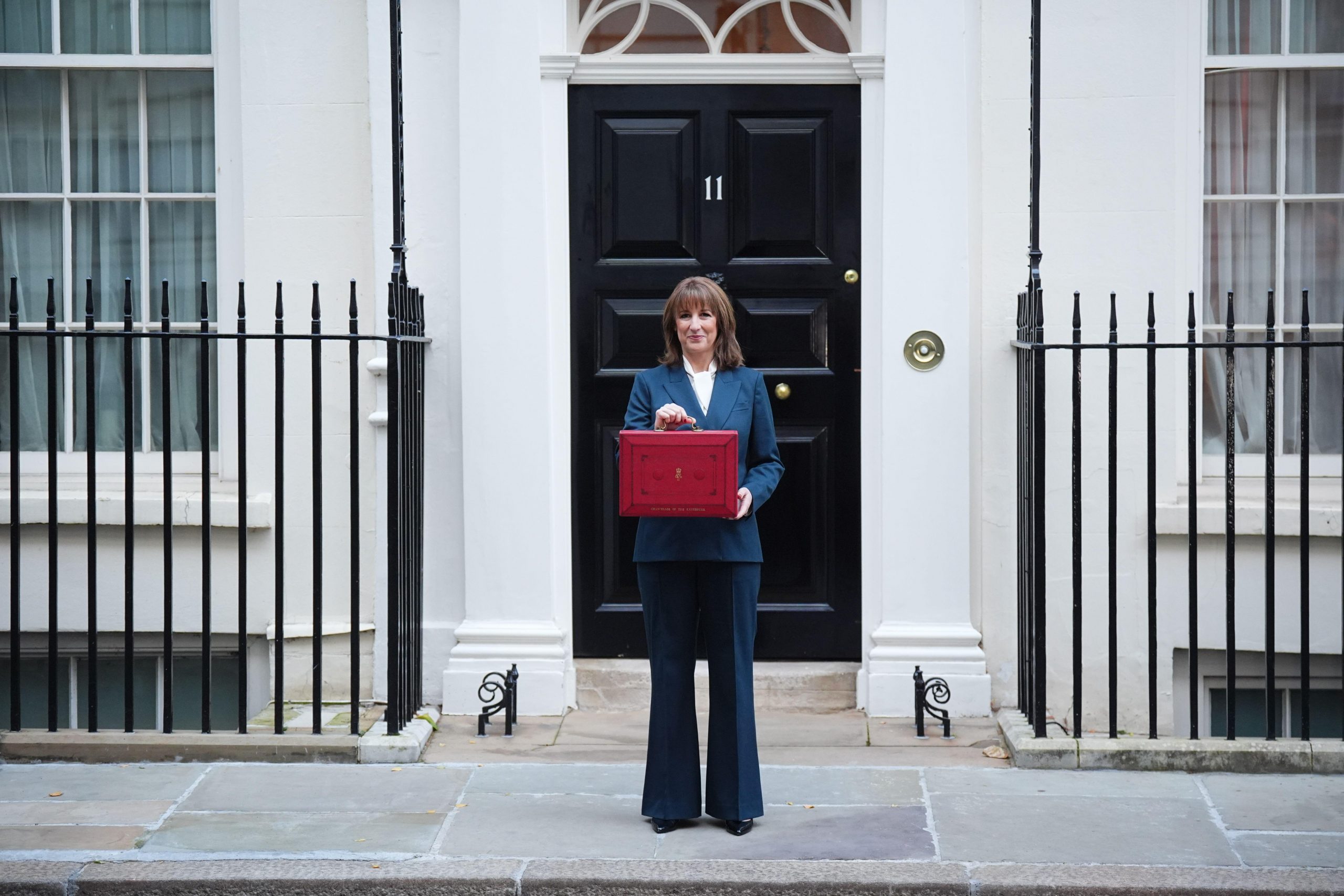
Chancellor of the Exchequer Rachel Reeves has today announced a small concession for family businesses regarding proposed reforms to inheritance tax relief. 

Under proposals first announced at the 2024 Budget, the Government will reform Agricultural Property Relief (APR) and Business Property Relief (BPR), so that full 100% relief will be limited to a £1 million.  

During today’s Budget, Ms Reeves confirmed that family business owners would be able to transfer their £1 million allowance between spouses, raising the allowance to £2 million for some. 

Family Business UK will continue to press government for a more meaningful change to the policy. 

Responding to the announcement in today’s Budget, Neil Davy, Chief Executive Officer at Family Business UK said: 

“The Chancellor’s announcement allowing family business owners to transfer their £1 million allowance between spouses is a welcome step and one of the proposals we asked the Government to consider. 

“But it represents a minor tweak to a policy that is doing enormous damage to private and family-owned businesses and farms. 

“The changes to BPR and APR have led business owners to cut investment and stop hiring. Regardless of today’s concession, family businesses and farms are subject to a tax that no other model of business ownership has to pay. 

“Today’s announcement is recognition that the Government got this policy wrong last year. Minor tweaks do not make it right. 

“The right thing for government is to pause this policy and work with us to find a better solution than this damaging tax.”  


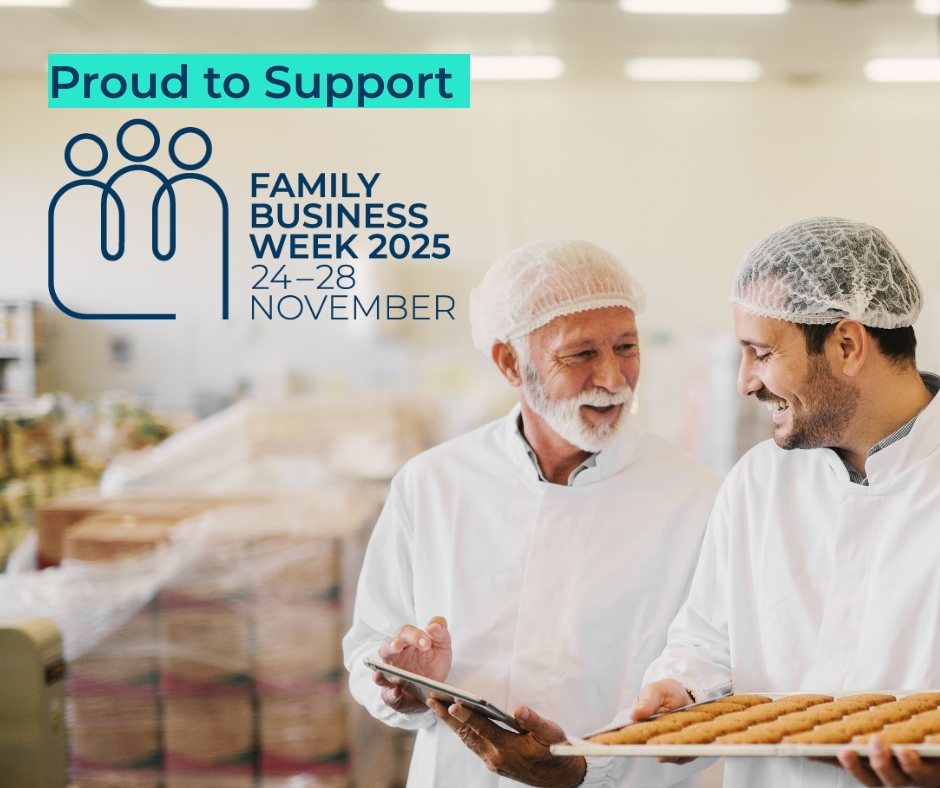
Family Business Week 2025 is live

Family Business Week, which celebrates the contribution family businesses make to the economy and communities across the UK starts today, Monday November 24.

The event, which is now in its fifth year, shines a light on the millions of amazing family businesses right across the country.

From small, first generation firms to 350-year-old, 15th generation companies, Family Business Week is about telling their stories – stories about the businesses, the people and the communities they support.

Family Business UK (FBUK) Chief Executive Neil Davy said: “Family Businesses have been building Britain for generations. They are the rock on which our economy and local communities thrive.

“All of us interact with family businesses every day, often without knowing it. They are the brands that fill our shopping baskets, they build our homes, sell us cars, own ports and airports, they transport goods, look after us on holiday, brew our favourite tipples and serve it with a smile.

“Family Business Week is the chance for everyone to celebrate all this in a week of events and the sharing of their stories.”

Family Business Week is proudly sponsored by NatWest and supported by S&W, Julius Baer and PwC.

NatWest Business Commercial Mid-Market Managing Director Andy Gray said: “Family businesses are the backbone of our economy and are at the heart of local communities across the UK. They make up 90% of the UK’s total private sector firms, employ 16 million people and contribute £985bn in GVA to the UK economy.

“As the country’s biggest bank for business, at NatWest we understand the importance of supporting family businesses to grow, innovate and build for the future. We’re proud to be supporting Family Business Week for the fifth year in a row and we’re looking forward to celebrating the sector through our continued partnership with FBUK.”

Julius Baer International Head of UK Regions Jonathan Dobbin said: “The most enduring family businesses are those that stay true to their core values and purpose while boldly embracing change and fostering an entrepreneurial spirit to thrive for generations to come.”

S&W Partner Laura Hayward said: “S&W are delighted to sponsor Family Business Week, a great initiative to celebrate the incredible contribution of Britain’s family businesses driving innovation, creating jobs, and building legacies that last generations.

PwC Partner Dan Packwood said: “Family businesses are the backbone of the UK economy, driving growth, creating jobs and sustaining communities. Their long-term outlook and strong values make them uniquely resilient in times of change.”

This year’s event not only showcases amazing family businesses but also highlights their ambition and resilience as they look beyond UK borders.

Under the theme Global Legacies: Expanding Horizons for UK Family Businesses, it will focus on how family businesses can compete and grow on the global stage.

Almost 280,000 UK businesses currently export goods or services to more than 200 countries, contributing £838 billion to the economy.

Yet this represents just 11.5% of UK firms, highlighting enormous untapped potential for growth.

Throughout the week Family Business UK will run case studies, events and workshops to help businesses to take their first steps into international markets while supporting those who already have.

On Wednesday, FBUK will host a reception in Westminster which will bring together family business leaders, politicians, policymakers and voices from the wider family business community.

The event is set to be one of the highlights of the week and will provide an opportunity to connect, share experiences and recognise the vital role family firms play in the UK’s economy and society.

Neil Davy continues: “British family businesses are powering our economy both at home and overseas. Many are already exporting or trading internationally –  from household names to thousands of small and mid-sized businesses – they are successfully reaching millions of customers overseas with the essence of their unique family values.

“With the right policy environment behind them, they have the potential to further drive UK economic growth on the global stage. Family Business Week is about showing that by backing the rich diversity of family-owned firms across the country, they can help unlock new avenues for growth.”

FBUK warns Peers of BPR reforms

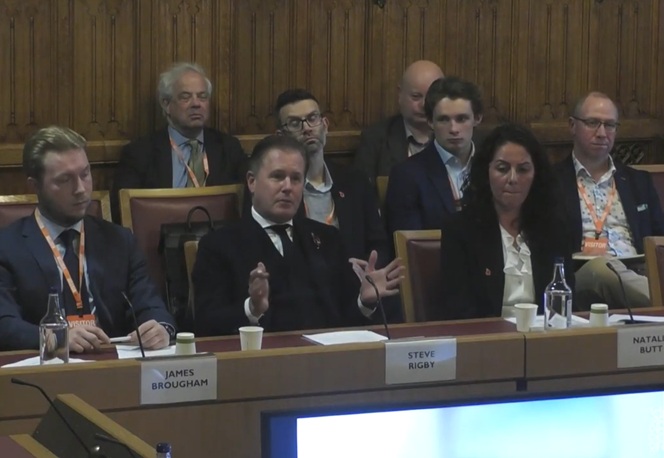
Family Business UK (FBUK) Chairman Steve Rigby has warned Peers that proposed inheritance tax reforms risk creating the “worst of all worlds” for family firms, stalling investment, halting growth and undermining confidence across the UK economy. 

The warning was made as Steve gave evidence to the House of Lords Finance Bill Sub-Committee, which is inquiring into proposed changes to inheritance tax relief for family business owners, as part of its scrutiny of the Finance Bill. 

FBUK has warned of the widespread unintended consequences of the policy, due to be implemented in April 2026saying it will stifle investment, growth and employment opportunities across the UK’s family business sector. 

In his evidence to the committee, Steve Rigby cited data from FBUK’s Taxing Futures research, telling Peers that the proposed reforms are having a chilling effect on the UK economy. 

He said the reforms could lead to 208,000 full-time job losses, a £15 billion reduction in gross value added (GVA), and a net fiscal loss of almost £2 billion during the remainder of this Parliament. 

“We are in the worst of all worlds at this moment,” Steve told the committee. “Businesses are disincentivised to grow, owners are worried and uncertainty is causing businesses to delay investment or make rash decisions about their future.” 

Peers heard how FBUK had put forward several constructive alternatives to mitigate the policy’s impact and was hopeful that Treasury would consider them.  

In particular, Steve cited proposals to allow the business itself to assume the inheritance tax liability, rather than the individual, a “zero-sum change” that would preserve Treasury revenues while protecting business continuity. 

Steve criticised the aggressive timetable for implementation, adding that the measures had been announced without consultation and without proper consideration of the impacts of the changes, despite FBUK providing the only credible assessment of the measures to the Treasury.  

He warned the reforms could force many owners, particularly those with elderly majority shareholders, to make immediate and material decisions affecting the future of their business. 

Furthermore, Steve raised serious concerns about the practicality of achieving fair valuations under the new regimequestioning whether HMRC has sufficient capacity to manage the additional complexity. 

He was joined by Natalie Butt, Director at Crowe UK LLP, and James Brougham, Senior Economist at Make UK, during the session that focused on Business Property Relief within the Finance Bill. 

A second panel later in the afternoon examined Agricultural Property Relief and featured Tom Bradshaw, President of the National Farmers Union; Jeremy Moody, Secretary and Adviser at the Central Association of Agricultural Valuers; and Judicaelle Hammond, Director of Policy & Advice at the Country Land and Business Association. 


FBUK responds to government reforms aimed at reducing bureaucracy

Freeing small and mid-sized firms from unnecessary reporting requirements is something we have been calling on the Government to do for several years, so it’s fantastic to see action on the issue.   

Today’s announcement from the Department for Business and Trade and HM Treasury reflects many of the points we raised in the Non-Financial Reporting Review, including simplifying thresholds, cutting duplication and easing pressure on family-owned firms. 

Family businesses value transparency and accountability. But as we’ve consistently highlighted, more reporting doesn’t always mean more transparency. Overloading stakeholders with information can make it harder to see what really matters. 

We’re pleased that government has listened and is focusing on ensuring reporting is proportionate, meaningful and accessible, so the right people get the right information in the right way. 

We look forward to contributing to the next phase of the review, helping to shape a system that supports sustainable growth and long-term value creation. 

Have your say: Government is inviting businesses to share examples of regulation that are not fit for purpose or that hold back growth, innovation, and investment. We encourage all family businesses to take part in the survey at the following link and will be doing so ourselves. 

www.gov.uk/government/calls-for-evidence/unlocking-business-reform-driven-by-you 

More Than 160,000 Family Businesses Call on Government to Consult on Inheritance Tax Change.

More Than 160,000 Family Businesses Call on Government to Consult on Inheritance Tax Change.

Embargo: 00:00 Monday 16 December 2024

Thirty two Trade Associations, representing more than 160,000 UK family-owned businesses and farms, have written to the Chancellor calling for a full and formal consultation on changes to Inheritance Tax announced in the Budget.

In an open letter, led by Family Business UK, the Trade Associations warn that changes to Business Property Relief (BPR) and Agricultural Property Relief (APR) will starve their members and the economy of investment, lead to forced, premature business sales and result in job losses right across the country.

Independent economic modelling commissioned by Family Business UK and conducted by CBI Economics suggests that far from raising revenue, the changes to BPR alone could result in a £1.25 Billion net fiscal loss to the Exchequer, lead to more than 125,000 job losses and reduce economic activity (GVA) by £9.4 Billion over the course of the Parliament.

The leaders of 32 Trade Associations* who have signed the letter represent family-owned businesses in all areas of the UK economy including builders, bakers, retailers, farmers, manufacturers, mechanics, food producers, funeral directors, pubs, restaurants, garden centres, growers, electricians and recruitment agents.

Neil Davy, CEO Family Business UK said: “The model of family business ownership is unique. It powers the entire economy from farming to finance and everything in between. This letter, and those who have chosen to sign it, are testament to just how widespread family ownership is, and how committed we are to speak up on behalf of our members.

“The changes to Inheritance Tax for family businesses and farms are a hammer blow. In many cases, those inheriting the business will have no alternative but to sell up when the owner dies, rather than continue running the business.

“In these circumstances, there is a real risk that businesses, assets and farms will be sold to foreign-owned competitors or investors who will pay little to no tax in this country.

“Already, family business owners are taking decisions to withhold planned investments and are putting recruitment on hold. Those working for family businesses are also extremely concerned, worried about how these changes might impact them.

“We do not believe that these are the outcomes the Government envisaged. So, we are calling on the Chancellor to meet and run a formal consultation, to find a solution that will protect the long-term interests of family businesses and farms and, crucially the jobs and investment they provide.”

Changes to BPR and APR announced in the Budget will mean that business and farm assets worth more than £1million will now be subject to Inheritance Tax at a rate of 20% when the business owner dies.

Family business owners and farmers will typically retain more than 90% of their personal wealth directly in the business, allocated to fund growth and investment.

To cover the Inheritance Tax liability, business owners will be forced to take money out of the business otherwise allocated to investment, typically via dividends (taxed at 39.5%). Added to IHT, this effectively creates double taxation.

Figures from HMRC suggest that around 500 family farms and 500 family businesses a year would be affected by the change. Analysis by CBI Economics suggests that three times as many family businesses (1,647) will adjust their behaviour each year to mitigate the change to BPR.

According to the CBI Economics, family businesses mitigating the cost of a potential future Inheritance Tax bill would be most likely to reduce investment and employment leading to an:
average reduction in investment of 16.5%
• average reduction in headcount of 10.2%
• average loss of turnover of 7.4%

Even for family businesses currently below the new £1million threshold for BPR, there is a striking impact on how they behave and plan to mitigate future impacts from Inheritance Tax.

Amongst these businesses:
55% expect investment to reduce with a quarter expecting it to fall by more than 20%, producing an average net reduction of investment of 12.2%
• headcount would reduce by 9%
• turnover could fall by 5.8%

There are 4.8 million family businesses in the UK employing almost 14 million people and contributing more than £200 Billion a year in tax revenues.

Download and Read the letter in full here.

END.

Family Business Magazine Issue 2

Family Business UK Magazine

The Family Business UK Magazine is essential reading for anyone looking to glimpse into the world of family businesses.

Now in its second edition, it’s full of stories from passionate people covering topics like governance, responsibility and pensions. There are updates from Members and, given the election of a new Labour Government, there are reflections on parties and policies.

Download Edition 2 – December 2024

From March 2025, the magazine will become a quarterly publication.

In the December edition you’ll find:

Sir James Wates, Chair of FBUK discusses to importance of good governance and the development of the Wates Principles

Steve Rigby, Co-CEO of Rigby Group and Chair-designate of FBUK on changes to Business Property Relief announced in the Budget

Ben Fowler, Managing Director of Western Pension Solutions on the next generation of workplace pensions

Adam Smith, Managing Director of Granville Park Partners and Former Chief of Staff to the Chancellor of the Exchequer with a Treasury insider’s view of changes to Business Property Relief

Mark Goyder, Founder of Tomorrow’s Company on the Budget the Chancellor should deliver next year.

FBUK new Members include Gerald McDonald, RCP Parking, Cleenol, Neville Trust, Sigma Pharma, Walkers Nonsuch

And the second part of our look into two of the oldest and biggest brand names in the family business world with Lizzy Rudd, Chair of Berry Bros & Rudd and Jonathan Neame, CEO of Shepherd Neame.

Get Involved

We are always happy to hear your suggestions, and we love it when members get involved.

So, if you’ve got an issue you think we should be covering or perhaps you fancy writing an article yourself, reach out and get in touch with a member of the team.

Advertise your Brand in the FBUK Magazine

Do you provide genuinely value-adding services to family business? If so, place your brand in front of some of the UK’s premier family business, by advertising in the FBUK magazine.

FBUK Publishes Economic & Fiscal impact of changes to BPR

125,700 Jobs and £9.4billion GVA Threatened by Inheritance Tax Change for Family Businesses.
Analysis Indicates £1.3billion Net Fiscal Loss to Government
Family Businesses Call on Government to Consult on the Changes

FBUK Publishes Economic & Fiscal impact of changes to BPR

Changes to the rules on Inheritance Tax for family-owned businesses could lead to a significant reduction in economic activity and lower tax revenues, as companies plan to cut investment and jobs according to new analysis.

Findings from an independent study by CBI Economics, the CBI’s economic consultancy division, on behalf of Family Business UK (FBUK) indicate that, over the term of this Parliament, the decision to cap Business Property Relief (BPR) at £1million could lead to more than 125,000 jobs losses (125,678) and reduce the value of goods and services produced across the economy (GVA) by £9.4billion.

Taken together, these reductions could mean that capping BPR at £1m could result in a net fiscal loss to the Exchequer of £1.3bn between 2026/27 and 2029/30. This is significantly lower than the £1.4bn gain in revenues estimated by the Office for Budget Responsibility (OBR) over the same period from the policy change to BPR alone.

The analysis by CBI Economics, part of which involved a survey of 234 family businesses, finds that over a fifth of family businesses (27%) with assets valued at over £1m expect to transfer the ownership of their business between 2026/27 and 2029/30 in a way that would incur Inheritance Tax. This is expected to lead to nearly 5,000 businesses making adjustments that have an impact on their activity.

To mitigate the additional tax liability the most common response from family business owners was to downsize, cut investment or reduce headcount.
The analysis indicates an:

  • average reduction in investment of 16.5%
  • average reduction in headcount of 10.2%
  • average loss of turnover of 7.4%

Fifteen percent (15%) of family businesses that expect to incur an Inheritance Tax liability say they will sell the business entirely, 9% say they will draw out extra cash from the business in the form of dividends (incurring additional tax at 39.5%), 6% would sell assets and shares to non-family investors and 4% would close, liquidate or relocate overseas.

The analysis shows that even for companies currently below the new £1million threshold for BPR, there is a striking impact on how they behave and plan to mitigate future impacts from Inheritance Tax.

Amongst these businesses:

  • 55% expect investment to reduce with a quarter expecting it to fall by more than 20%, producing an average net reduction of investment of 12.2%
  • headcount would reduce by 9%
  • turnover could fall by 5.8%

Neil Davy, CEO of Family Business UK said:
“Just as we’ve seen among the farming community in relation to APR, changes to BPR announced in the budget will fundamentally remove incentives among owners of family firms to invest in their businesses, and in many cases threaten their viability.

“The CBI Economics research concludes this will come at the expense of jobs, investment, and tax receipts into the Treasury. Downsizing of businesses, asset disposures, complete sale or liquidation are very real unintended consequences of this policy.

“Given a typical business will employ more people than an average farm, there’s a case to make that capping BPR may be even more damaging to the employment figures and the wider economy than capping APR.

“There’s a fundamental misconception that family business owners are hugely wealthy individuals, with large quantities of liquid assets or cash. Nothing could be further from the truth.

“As with farmers, owners of family businesses typically have more than 90% of their personal wealth directly tied-up in the business, allocated to fund growth and investment. To cover this tax liability, business owners will be forced to take money out of the business otherwise allocated to investment, typically via dividends (taxed at 39.5%). Added to IHT, this effectively creates double taxation.

“A common misconception is that BPR is a personal tax relief. In reality this is a tax on businesses, which no other model of business ownership is subject to.

“Government data, published alongside the Budget, forecasts that changes to Inheritance Tax on family business could raise £520m a year from BPR and APR, by the end of the Parliament. Based on data for 2021-22 the Government estimates that around 550 family businesses will be impacted by the change to BPR each year.

“FBUK believes that these figures significantly underestimate the impact of the change. The CBI Economics data support this, predicting the total number of businesses effected expected to change hands for 2026-2027 to be 1,647. Between 2026-27 and 2029-2030 is figure is 4,941, or 8.3% of all family businesses with assets valued at over £1m (59,814).

“Taking the Government’s own definition of SMEs, far from affecting a small number of those with the broadest shoulders, a cap of £1m will also affect many small and medium sized businesses who the Government are claiming to support. And without indexation, the £1m cap also means that more SMEs will fall within scope over time.”

William Lees-Jones, Managing Director of JW Lees said:

“The proposed changes will be a real blow to companies like JW Lees. It has always been our philosophy to invest our profits back into growing our family company resulting in significant investment and the creation of a large number of jobs.

“For us to have to divert funds into dividends to pay Inheritance Tax would be challenging and would inevitably reduce future investment in the company. It would also place our business at a considerable disadvantage to our competitors who tend to be listed or owned by private equity, sometimes overseas.

“We would urge the government to consult with businesses to look at all the potential unintended consequences of these proposed changes.”

Stuart Paver, Chair of Pavers Shoes added:

“Life was simple before the budget. I received shares from my parents, I held onto them and helped grow the business, reinvesting in the long-term growth of the company and then handed it on. But now I must spend time and money looking at how I can avoid leaving a huge burden to the next generation and the outcome is very unlikely to match the Chancellor’s desire for a growing economy.”

Lizzy Rudd, Chair of Berry Bros & Rudd said:
“We are a 326 year old family business, the oldest fine wine and spirits merchant in the UK and one of the oldest businesses in the UK.

“Throughout our long history we have always reinvested in the business rather than giving profit to shareholders. We pride ourselves in being a business that cares about our colleagues, our communities and our planet, and we follow the B Corp principles, having just applied for certification. This means we invest for the long-term for the benefit of all our stakeholders and have a reputation and heritage that is well known across the world”.

“Having Business Property Relief and being able to pass our shares down to the next generation without incurring Inheritance Tax has meant that we didn’t need to accumulate wealth outside the business, allowing us to continue to invest, providing employment and bringing people together from all over the world to the heart of London to share food, wine and conversation together.

“Inheritance Tax will threaten the future of the business and force us to think short-term to maximise returns to shareholders in order to build wealth outside the business to pay a future tax liability”

ENDS.

About Family Business UK (FBUK)
Family Business UK is the largest organisation dedicated to advocating for, promoting, and championing family businesses. It is movement of some of the most innovative, and best-known family businesses across the country, including a number of household names and global companies.

FBUK works to showcase the role and contribution family businesses make to communities across the country, and our wider economy.

FBUK is a not-for-profit organisation.

About CBI Economics
CBI Economics is the economic consultancy division of the CBI. We offer a suite of independent client services including bespoke economic analysis and business surveys. With unrivalled policy knowledge and business insights combined with economic expertise, we can develop a compelling narrative to help you achieve your desired outcomes – whether that be lobbying policy change, building a case for investment or demonstrating the impacts of your business on the economy, on society and on the environment.

CBI Economics conducted a survey following the changes to Business Property Relief (BPR) announced at the Budget. This survey attracted 234 responses from family businesses. The survey first determined the businesses that would be affected by the changes to BPR between April 2026, when the changes come into force, and April 2030. Affected businesses are those over £1 million in value and who are anticipating a share transfer or change of ownership in the period specified.

Businesses were asked how they expected the changes to affect their investment plans, turnover and headcount.

Primary survey data was integrated with additional secondary data collected from official and third-party sources. These informed the inputs to CBI Economics’ in-house economic and fiscal models, which were used to estimate the total economic impacts in Gross Value Added and Full Time Equivalent jobs, along with net fiscal impacts to the Exchequer. Total economic impact was derived primarily using the anticipated reductions in turnover, with CBIE’s dynamic economic model capturing the further implications this would have for supply chains and employee spending.
A Message from the Chair Designate

A Message from the Chair Designate

Dear FBUK Members,

Please find below a message from Steve Rigby, Deputy Chairman, and Chair designate, of Family Business UK (FBUK) and CO-CEO of the Rigby Group PLC.

Click here to download and read the PDF message.

END.