
FBUK welcomes Lords report on IHT

FBUK Policy Director Matt Jaffa examines a key House of Lords report into inheritance tax reforms and finds that it echoes 15 months of warnings from Family Business UK


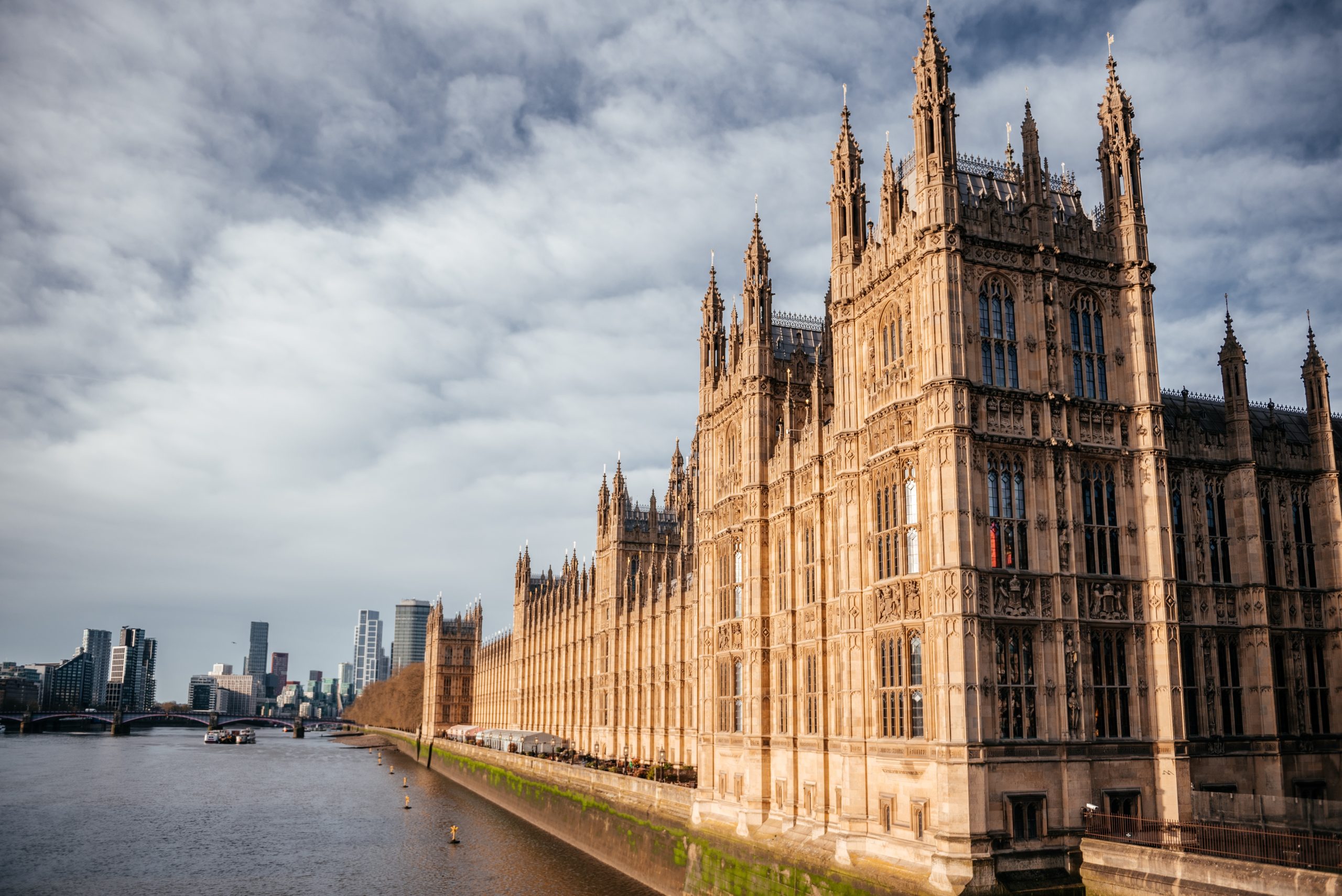
The House of Lords has published its report into the inheritance tax changes announced in the Autumn Budget 2024 – including changes to BPR and APR.

The  109‑page inquiry report: Inheritance tax measures: unused pension funds and agricultural and business property reliefs, and its conclusions echo many of the arguments FBUK has made over the last 15 months. Having given written and oral evidence to the inquiry, FBUK receives 12 name check references in the report.

In short: the Lords agree with what FBUK and our Members have said:

  • the policy is ill-considered,
  • lacked prior consultation
  • risks damaging the UK’s family business sector.

Commenting on the report, FBUK CEO Neil Davy said:

We welcome this report and urge the Government to immediately implement all its recommendations on BPR and APR. The damning criticism of the Government’s processes in formulating these policies highlight serious shortcomings which can only be properly addressed with a full consultation with family businesses and reversal of this damaging policy.

The fact the Lords acknowledge that these deficiencies result from the Government’s failure to properly consult with us and family businesses across the country before announcing the measures, shows precisely why and how the Government got this wrong.

Whilst we welcome the Government listening to arguments we have put forwards and the subsequent amendments it has made to these policies, they do not go far enough to protect thousands of jobs and hundreds of millions of pounds worth of investment delivered by British family businesses.

This is now the third high-profile committee in Parliament to reach a conclusion that this policy is deeply damaging to the family business sector which employs more than 15 million people and makes a significant contribution to the economic success of the country.

The Government must heed these warnings and reverse these policies, before they are implemented in April, to give Britain’s family businesses back their confidence to invest for the future and deliver the growth that remains this Government’s number one priority.


Some key takeaways from the report:

Unrealistic Deadlines

The report is clear: forcing estates to make their first Inheritance Tax payment within six months, including tax on unused pension funds, simply isn’t workable. The Committee recommends extending the deadline to 12 months.

The Committee found that Personal Representatives (PRs) and Pension Scheme Administrators (PSAs) lack the full information needed to calculate IHT accurately. Its message to Government is not to prioritise an April 2027 start date over getting the policy and the processes right.

BPR & APR: Government failed to assess the impact of the policy on family businesses

The Committee questions why the Government did not carry out a full impact assessment before announcing the policy change – a concern FBUK has raised repeatedly.

The Committee recommends cross departmental research (to include the Department for Business, Department for the Environment, Food and Rural Affairs and HMRC) to fully understand the consequences of the reforms.

The report calls for Government to measure the impact of the reforms over the next seven years. FBUK believe that seven years is too long a period of time, which for many family businesses with older owners, is not practical.

Impact of a death on company valuations.

In his oral evidence to the Committee, Steve Rigby, Chair of FBUK, warned of the devastating effect the sudden death of a key individual can have on the valuation of a business. The Committee has now taken this on board and is calling on the Government to examine this issue.

Valuations system not fit for purpose

FBUK highlighted that valuations can vary wildly between assessors, creating delays and financial risk for families trying to meet IHT deadlines.

The report urges the Government to assess levels of staffing and expertise within HMRC’s valuation teams before April 2026, given the expected surge in administrative workload.


This report is the third major Parliamentary committee, alongside the Environment Committee and the Welsh Affairs Committee, to question the Government’s approach to these policy changes.

As the Finance Bill makes its way through Parliament to pass the legislation, this report will give Members of Parliament extra ammunition to press the Government for further changes to the policy.

What happens next?

FBUK will be analysing the full detail of the report and briefing the Government in the coming days, but our position remains unchanged: we continue to call for a full reversal of the policy.

At the bare minimum, a comprehensive review is now essential to design a fairer, more workable system that protects jobs, growth and the long term resilience of the UK’s family business sector. And we will continue to put the voice of Members to Ministers and Parliamentarians as the Finance Bill continue its journey through the legislative process.
FBUK welcomes U-turn on audit reform

The Government has dropped plans to bring forward a Bill on Audit and Corporate Governance Reform.

This is both an important and extremely welcome step in a long, drawn out process which began following the collapse of Carillion in 2018. Since then, FBUK has long argued against proposals that would have placed an enormous burden on large private and family businesses.

After years of anticipation and debate, ministers have concluded that the proposed expansion of the Public Interest Equity (PIE) regime – a far more onerous reporting and compliance framework – would have imposed substantial financial and administrative burdens on business without commensurate benefits.

Why this matters to family businesses

For many large UK family firms – for generations the backbone of regional economies and employment – the threat of being classified as part of the PIE regime carried serious implications – triggering heightened reporting requirements and regulatory oversight which, in practice, favours scale over substance.

This change of direction means leaders can instead focus on meaningful disclosures that genuinely serve investors, employees and customers, rather than box-ticking exercises.

Fiona Graham, Chief Advocacy Officer at Family Business UK, said: 

This move recognises that good corporate reporting should be about clarity and usefulness, not complexity and volume. When stakeholders are overwhelmed with data that obscures rather than informs decision-making, transparency is undermined.

For years, we have worked with policymakers to ensure audit reforms strike the right balance between accountability and proportionality. This move shows that the clear, evidence-based arguments we have consistently presented have laid the ground for this U-turn.

We welcome the government’s renewed focus on proportionate reporting that supports growth and without the cost and complexity that risked holding businesses back.

A better regulatory focus

In making its announcement, the Government has signalled a clear pivot towards simplifying corporate reporting and reducing red tape, rather than pressing ahead with overly burdensome legislation. The Department for Business and Trade says the move will support growth and cut unnecessary costs for large enterprises – a message fully aligned with business concerns across the UK.

At a time when companies face rising economic challenges, the threat of additional compliance costs tied to unnecessary reporting and compliance would have acted as a disincentive to growth, particularly for businesses approaching the proposed threshold. Pulling back on this aspect of the Bill ensures that UK companies remain competitive both domestically and internationally.

FBUK concern over UK jobs data

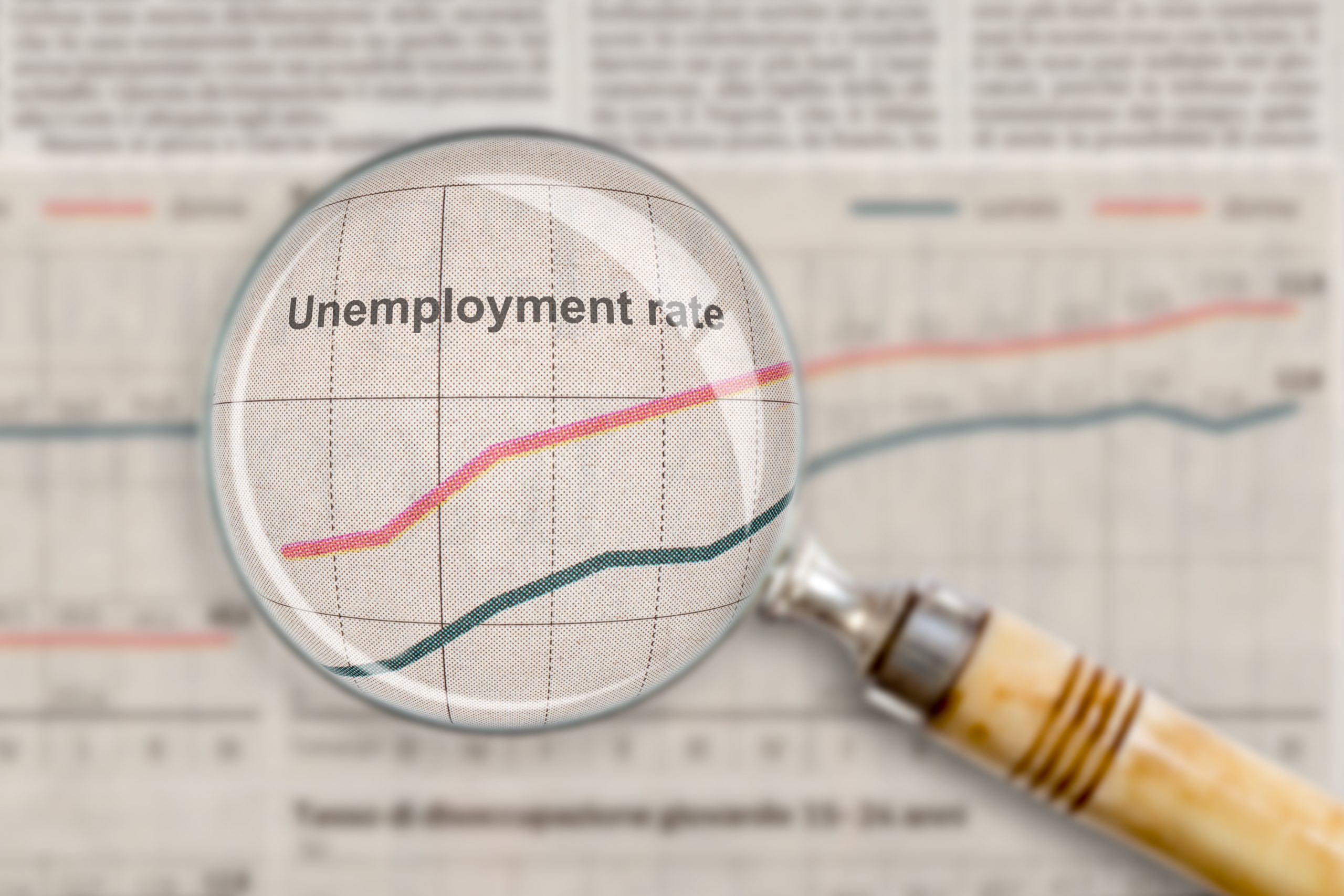
UK unemployment has remained at 5.1%, a five-year high, according to the latest official data.

Figures from the Office for National Statistics shows that unemployment among people aged 16 and over has risen across the UK by 0.3% compared with the previous quarter. London and the East Midlands have seen particularly challenging results. Unemployment in London now exceeds 7%, while in the East Midlands the quarterly increase of 1.5% has taken the unemployment rate to 6.0%.

Jobs in retail and hospitality appear to be disproportionately affected.

Responding to the latest Employment data, Neil Davy, Chief Executive, FBUK, said:

Employment data continues to paint a picture of businesses cutting investment as they worry about the increasing cost of doing business. With unemployment stuck at more than 5% we need to see policies that give a clear vote of confidence to Britain’s private and family businesses.

Changes to Inheritance Tax, Employer National Insurance, the National Living Wage and Business Rates, all delivered since this Government took office, have brought key business decisions to a halt. With international uncertainty again raising the prospect of increasing costs further stifling growth, the Government must do everything it can to incentivise British businesses to invest and grow.

The Government has shown strength by accepting that certain policy choices have been detrimental to business. The pre-Christmas concession on inheritance tax for family businesses and farms was a welcome step but it does not go far enough. Without an immediate review of the policy, and a full reversal, Britain’s private and family businesses will continue to face difficult decisions on employment and investment, making it harder for the Government to achieve its growth mission – it’s stated objective.

Finance Bill update

After the Government announced an increase in the threshold for both BPR and APR for family businesses and farms from £1million to £2.5million, attention shifts back to Parliament and the progress of the Finance Bill.

The Bill has now passed the 2nd reading stage and moves to Committee Stage. During this stage, MPs have the opportunity to table amendments to the Bill and FBUK is already engaging with MPs to discuss key points we would like to raise on behalf of our Members.

A list of amendments relating to the changes to inheritance tax have already been laid. These, and others, will be discussed and voted on during the Committee stage although, it’s worth emphasising that the Government would have to lose its majority for any to be passed – so it’s well worth continuing to reach out to your own MPs to stress the importance of their support.

Following the Committee stage, the Bill will progress to the Report stage, which offers further opportunities for changes. That will be followed by a Third reading in the Commons before moving to the House of Lords.

By longstanding convention, the House of Lords has very limited power over tax and spending bills and, as such, we are not expecting any amendments to be carried once it reaches this stage.


Key Dates

12-13 January 2026 – Committee of the Whole House 

  • Changes to IHT (including the APR/BPR reforms) have been selected for consideration in the Committee of the Whole House – a stage where all MPs can participate in detailed discussion of the Finance Bill provisions. 

TBC – Committee, Report, Third Reading

After Committee of the Whole House, the Finance Bill will proceed to: 

  • Report stage in the Commons (further line-by-line consideration)
  • Third Reading in the Commons (final House of Commons approval)
  • House of Lords stages (including Second Reading, Committee, Report and Third Reading)

Royal Assent – Finance Bill Becomes Law

Once both Houses agree the final text of the Finance Bill it will receive Royal Assent. This will enact the reforms to BPR & APR into law. These will take effect from 6 April 2026.