In 1956, the Bagot family opened Levens Hall to visitors because the historic house needed a future. Seventy years later, that act of family stewardship has become a thriving rural enterprise supporting 83 jobs, 98 local suppliers and a visitor economy that reaches far beyond the estate gates.
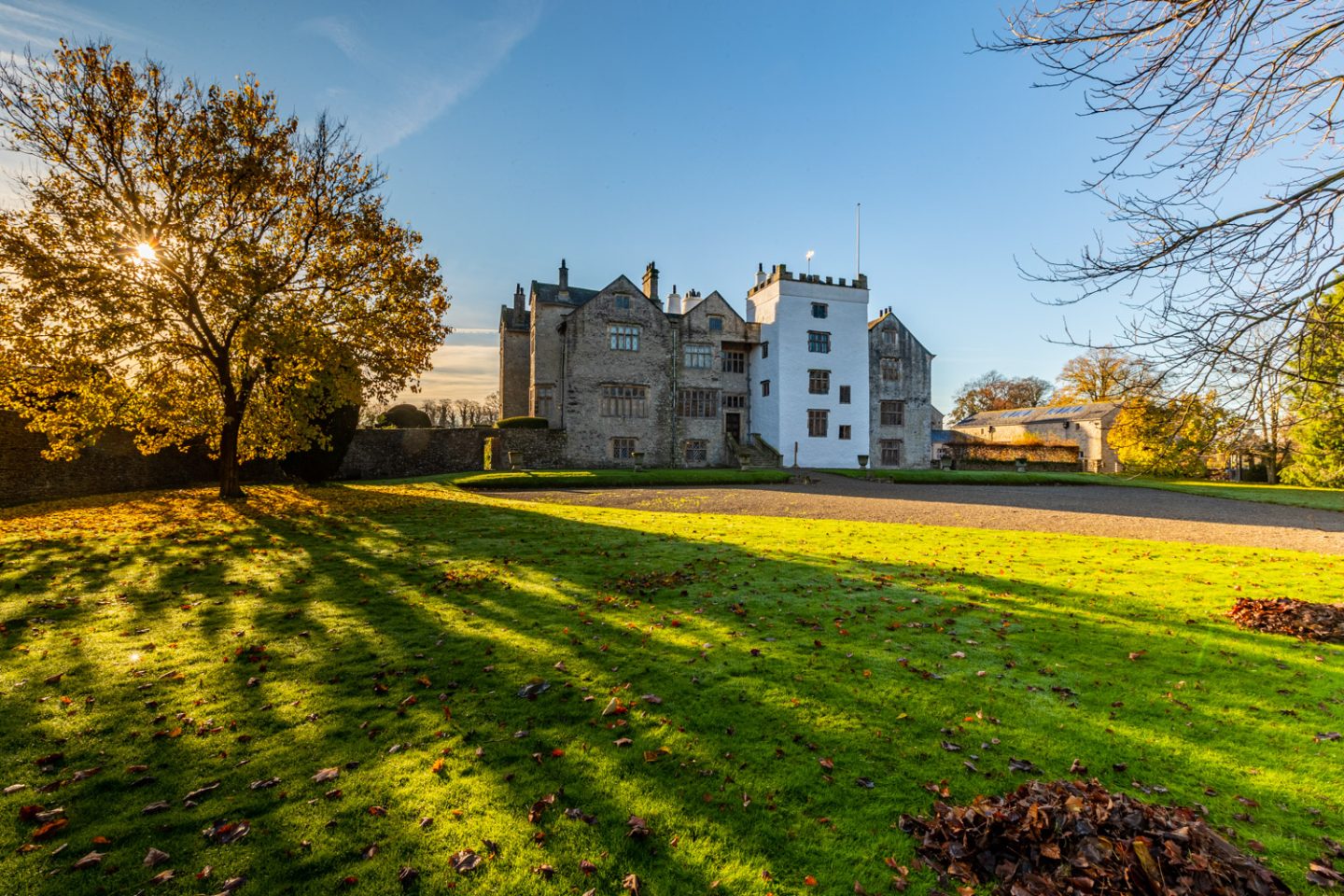
After the Second World War, Levens Hall faced falling income, rising costs and a leaking roof that Richard Bagot’s grandfather often repaired himself.
Opening the property to the public was not simply a heritage project. It was an entrepreneurial decision to make the estate financially sustainable.
Three generations have continued to develop that approach.
Richard’s parents took over in 1979, and Richard assumed responsibility in 2013. Today, he runs Levens Hall alongside his fiancée, Chloe, with their eight children also enjoying life on the estate.
Since 2013, the family has invested £2.5 million in the visitor experience and new income streams.
Visitor numbers to the house have nearly trebled, while turnover has increased fivefold.
Saving a house by building a business
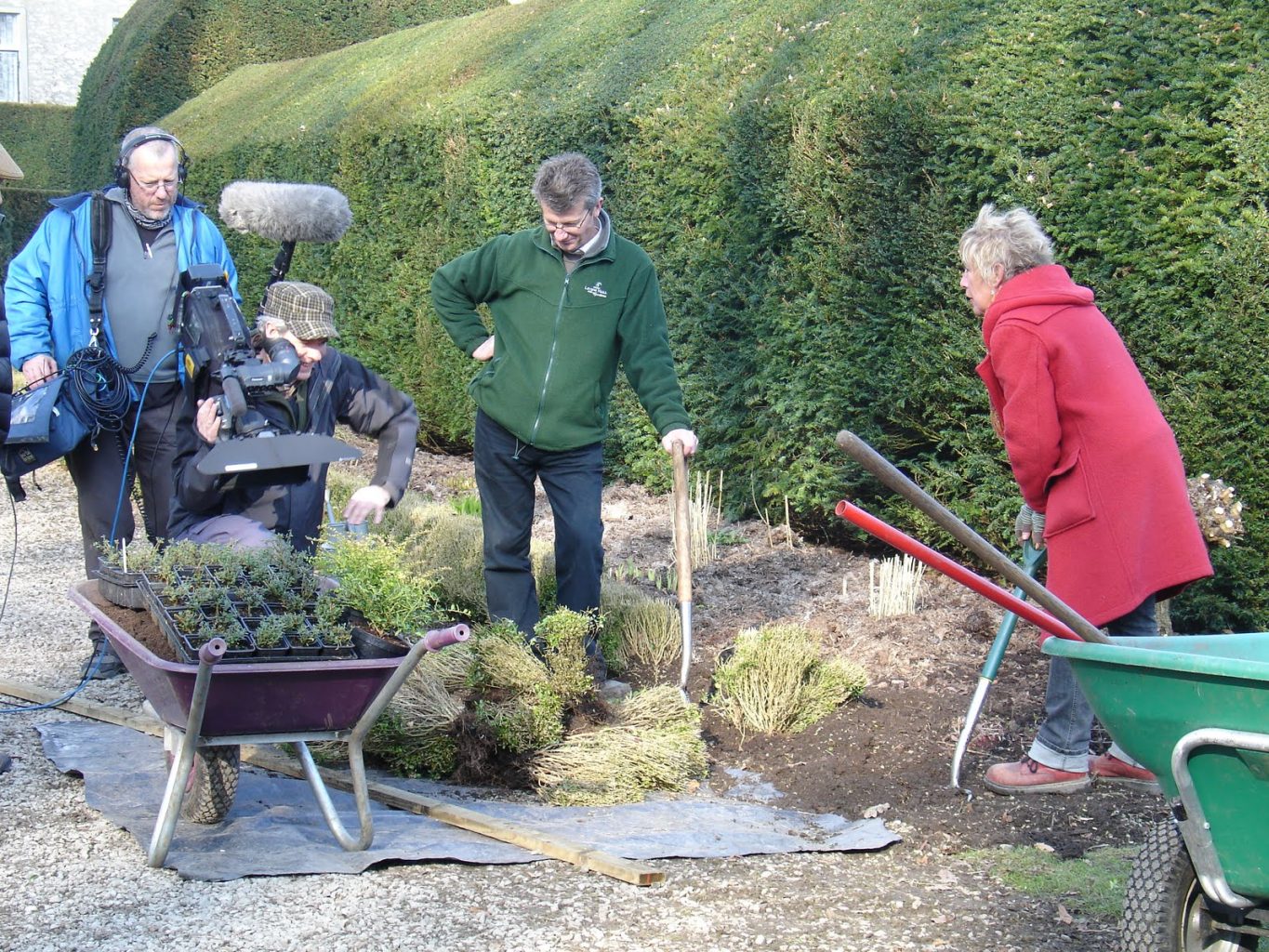
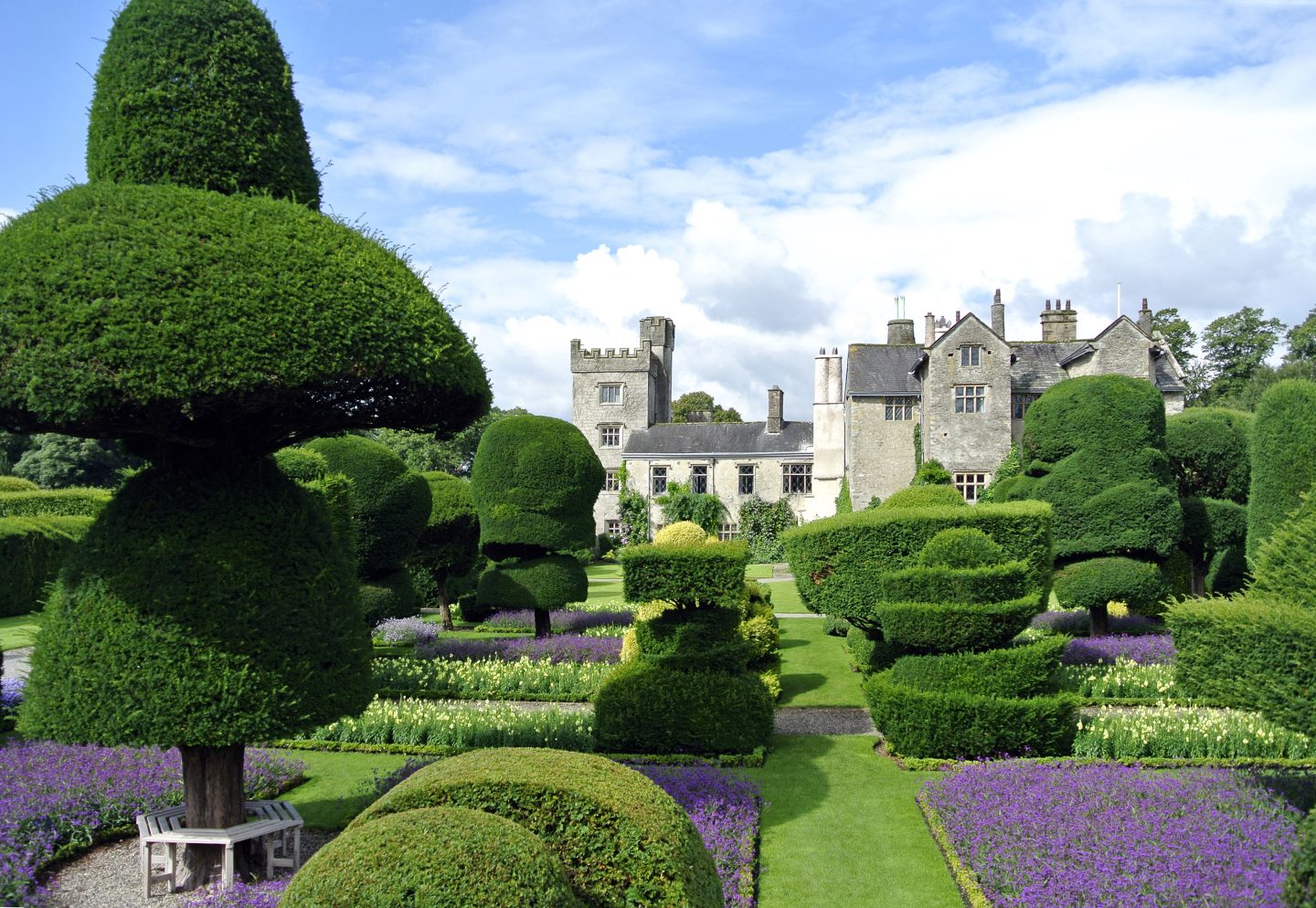
Levens Hall, five miles south of Kendal, is home to the world’s oldest topiary gardens, dating back to the 1690s.
Preserving centuries of history requires considerable investment, but the Bagots have never treated conservation and commercial success as competing priorities.
The family’s investment in hospitality, events and new facilities has created the income needed to support the estate’s future while generating employment and economic activity across South Cumbria.
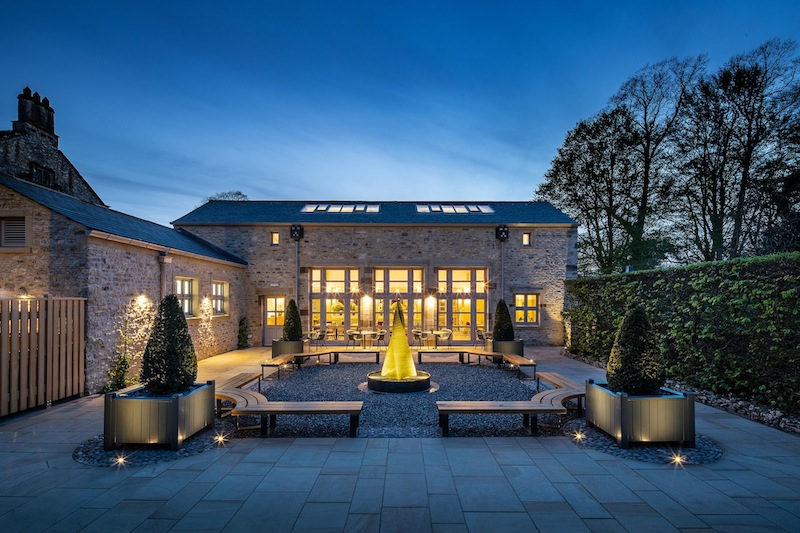
Perhaps the clearest example is Levens Kitchen.
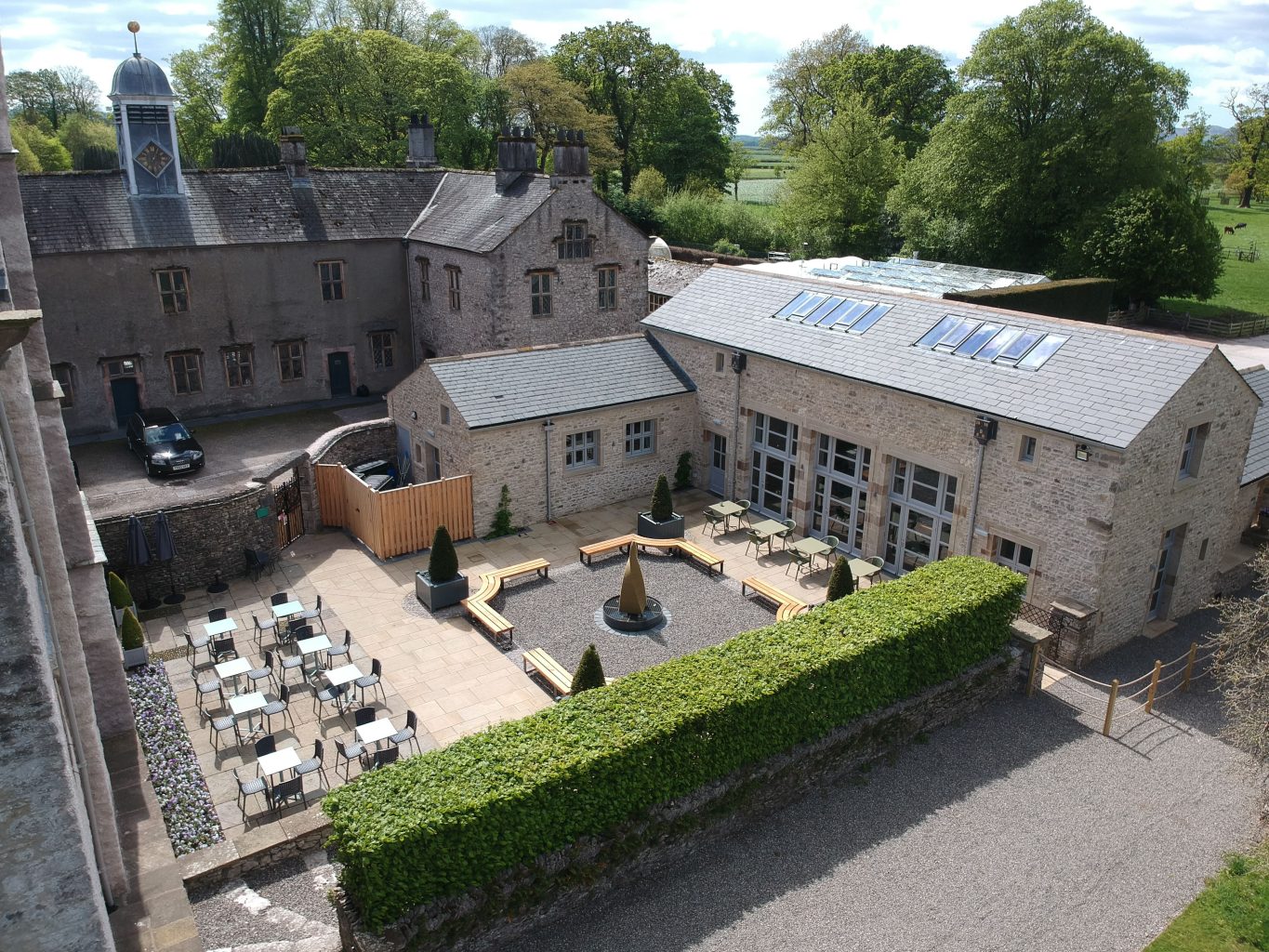
In 2019, the family invested £1.5 million in a purpose-built, 160-seat restaurant, using architects, builders and craftspeople from Kendal and Lancaster.
The previous café employed 15 people. Today, Levens Kitchen employs 52 and welcomes more than 100,000 visitors annually.
The restaurant has also won nine awards, helping establish Levens Hall as a destination for food as well as heritage.
In 2023, a further £400,000 investment transformed an unused estate building into Levens Bakery.
Together, these developments have created jobs, supported local contractors and given visitors more reasons to return throughout the year.
Growth shared across Cumbria
Levens Hall now employs 83 people and works with 98 local suppliers, from food producers and builders’ merchants to IT specialists and makers selling through the gift shop. The kitchen combines local ingredients with venison, lamb and produce grown on the estate, linking farming, food, hospitality and tourism.
That approach connects the visitor business with Cumbria’s farming and food-producing economy, ensuring that spending at Levens Hall also creates opportunities for other local enterprises.
Levens Hall’s growth has a multiplier effect because visitors rarely spend in only one place. A stronger year-round destination supports accommodation, food producers, shops, transport providers and other attractions across South Cumbria. By extending the season through the kitchen, bakery and events, the family is helping create steadier demand in an economy where employment can otherwise be highly seasonal.
A living part of the community
The Bagots’ commitment to the future also extends to the specialist skills needed to maintain the estate.
Levens Hall employs a trainee garden apprentice and works with Newton Rigg and Myerscough colleges.
It welcomes students from Lancaster University, local schools and conservation scholarship programmes, helping pass on knowledge of historic gardens, architecture and craftsmanship.
The estate also provides Kitchen Garden allotments for local residents and hosts charitable, cultural and educational events.
These activities help ensure Levens Hall remains part of everyday community life, rather than simply a historic attraction for visitors.
As Richard Bagot explains:
“Historic houses have to be closely entwined with local communities or they would find it hard to continue to exist.”
For the Bagot family, preserving Levens Hall means continuing to find new ways for it to contribute to the place it calls home.
What began as an effort to save a historic house has become a business supporting local employment, suppliers, skills and tourism.
Seventy years on, the family’s stewardship is not simply protecting an extraordinary part of Britain’s past. It is helping build a stronger economic future for South Cumbria.