Woodmansterne produces around 40 million cards and paper products, but some of its most important figures sit beyond sales: £5 million invested in its Milton Keynes operation, £4.8 million raised for charities through Christmas cards and every trainee recruited in the past five years progressing into a qualified full-time role.
At Woodmansterne, the idea of family extends beyond the people who own the business.
Employees have built long careers with the company, met their partners at work and, in some cases, seen their children follow them into the business.
Managing Director Seth Woodmansterne describes it as a “business of families”, reflecting a culture in which personal relationships and long-term commitment have become part of the company’s identity.
Founded by Graham and Joanna Woodmansterne in 1953, the business has evolved from colour slides into fine art greetings cards and paper goods.
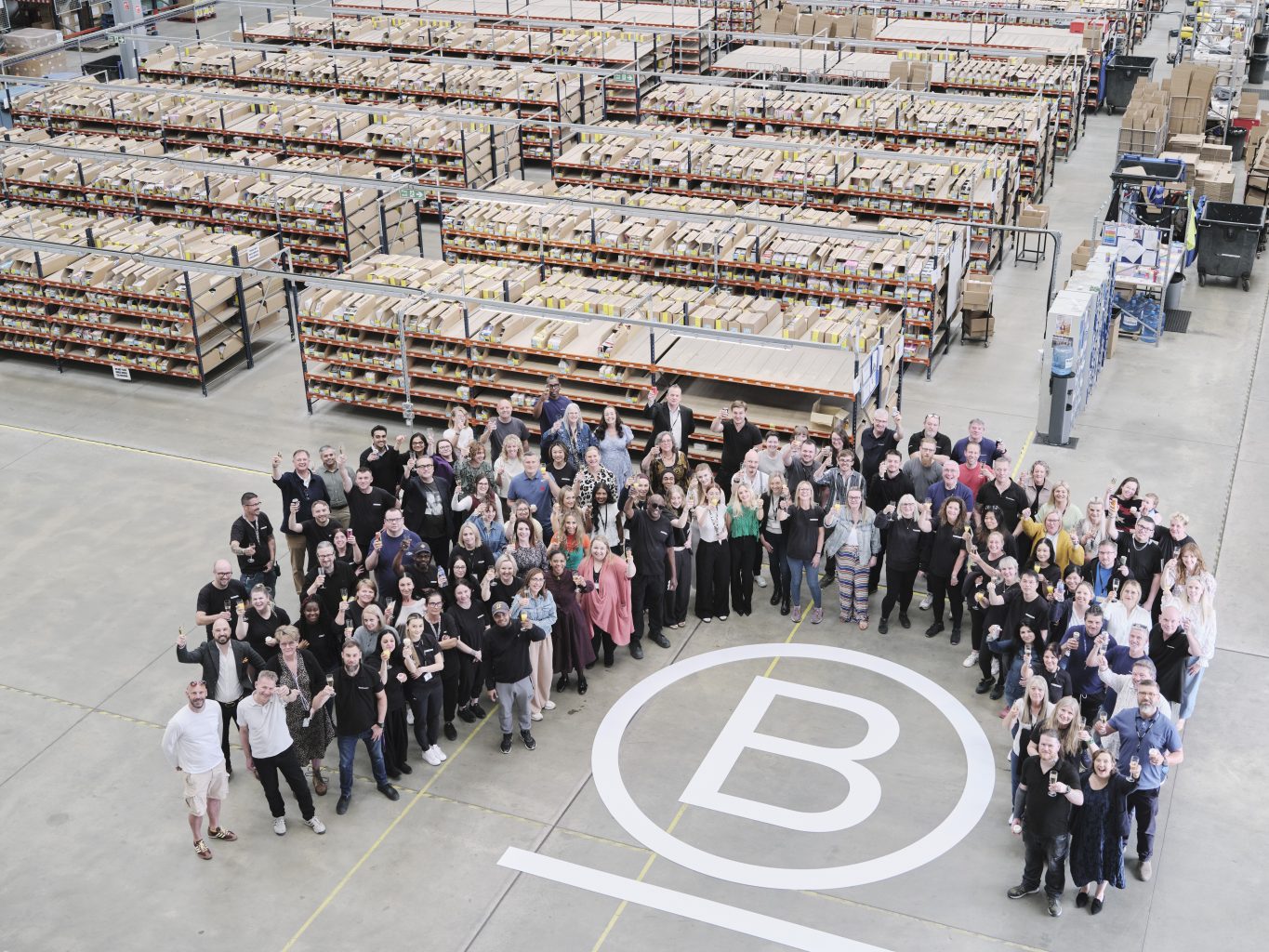
Today, it employs around 150 people across its Watford and Milton Keynes operations, while continuing to invest in the people and facilities needed to sustain its future.
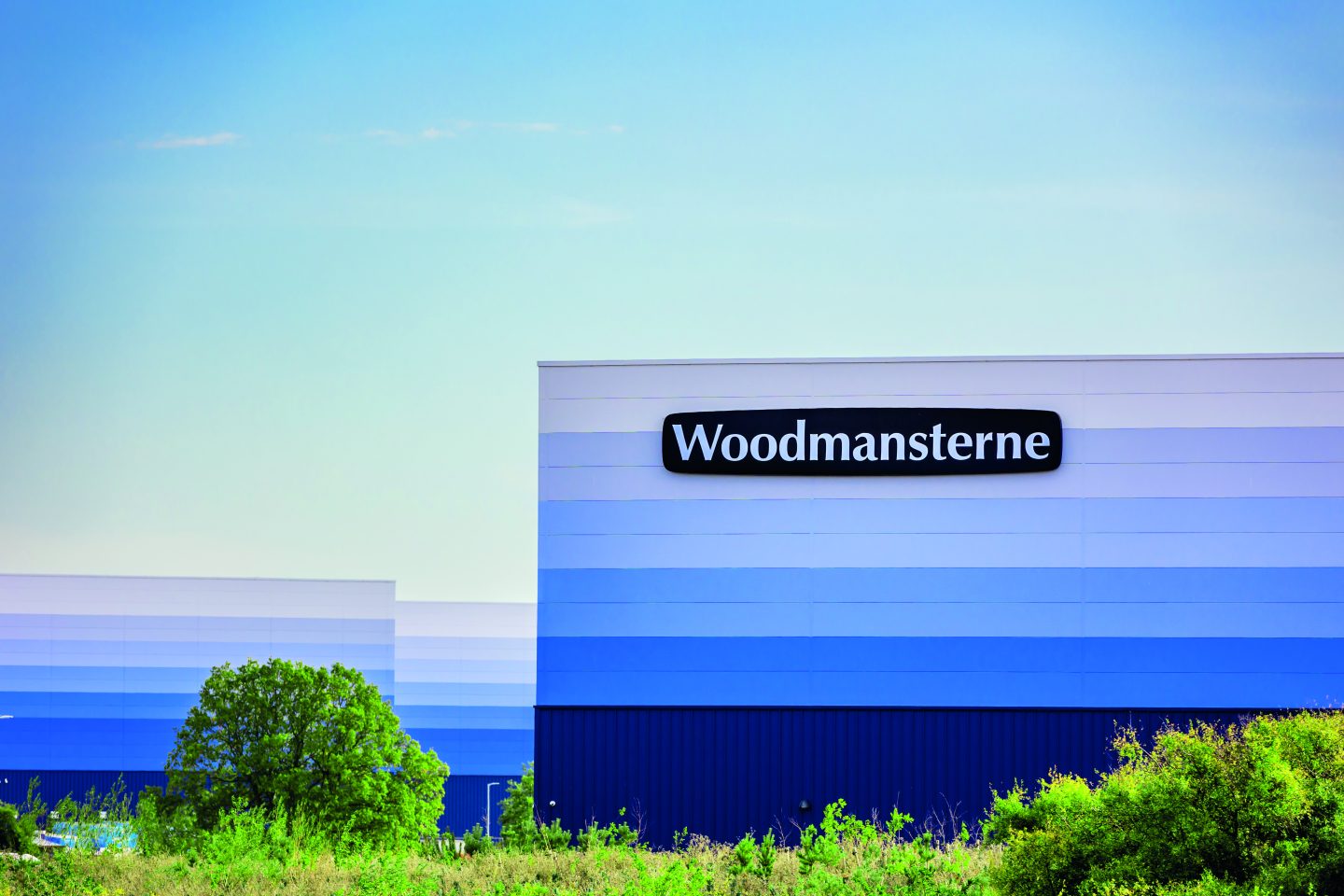
Woodmansterne Site Photography. Picture: DANNY LOO
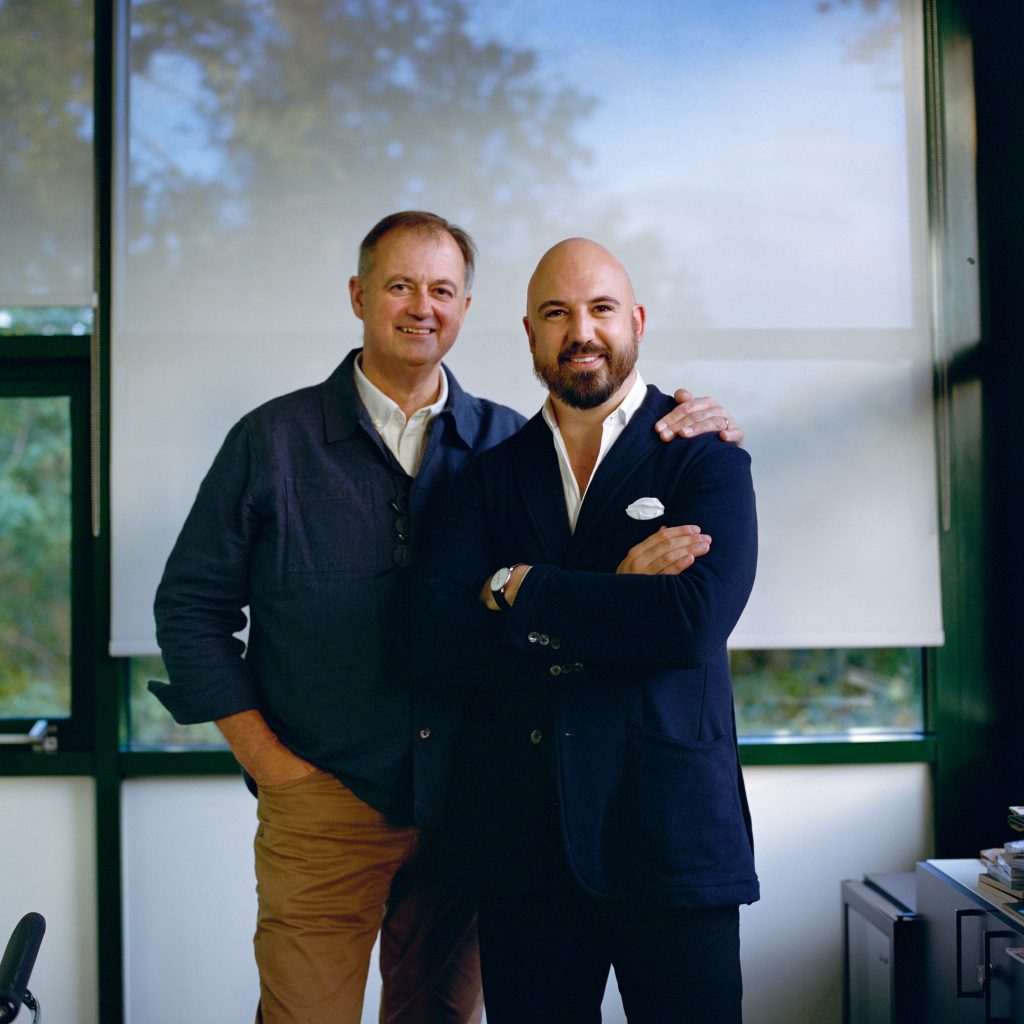
Second and third generation – Paul (left) and Seth (right) Woodmansterne
Why family ownership matters
Over the past five years, Woodmansterne has invested more than £5 million in its Milton Keynes operation, strengthening manufacturing and distribution while improving its environmental performance.
Its Magna Park facility includes 394 solar panels, rainwater harvesting, energy-efficient lighting, 99 skylights and native, bee-friendly planting.
Waste sent to landfill has also been reduced to almost zero.
These investments reflect a family thinking about the condition in which one generation will hand the business to the next.
As Seth explains:
“To stay successful, family businesses combine dynamism with a long-term view – ultimately considering success over decades, not this year’s bottom line.”
The Milton Keynes investment demonstrates how a family company can connect competitiveness with place. Modern facilities help Woodmansterne produce and distribute at scale, but they also keep manufacturing capability, create work and skilled employment in Britain. Spending with 41 local suppliers means the effect reaches beyond the site itself, supporting firms that provide services, materials and expertise across the surrounding area.
Opportunity that starts locally
By continuing to invest in its UK operations, Woodmansterne is supporting skilled jobs in manufacturing, distribution and the creative industries.
The company has added 15 jobs over the past three years and recruited ten young people, graduates and trainees over five years.
Every trainee recruited during that period has progressed into a qualified, full-time role.
For Woodmansterne, developing people is part of securing the business’s future. For employees, it creates opportunities to build lasting careers and develop skills that remain valuable throughout their working lives.
The company also works with Norwich University of the Arts, giving illustration students experience of the commercial creative sector.
Alongside its investment in people, Woodmansterne works with 41 local suppliers across Hertfordshire and Buckinghamshire.
These relationships help ensure that the company’s success supports other businesses providing materials, specialist services and expertise.
Success used with purpose
Woodmansterne’s commitment to its wider community is reflected in its charitable and cultural work.
Since 2002, sales of its Christmas cards have raised £4.8 million for UK charities.
Since 1995, its art conservation awards and scholarships have provided £588,000 towards preserving paintings in public collections and developing future conservators.
The company also supports youth football, community art projects and charitable fundraising, while participating in the Milton Keynes City Climate Partnership.
In 2026, Woodmansterne became a certified B Corporation, recognising its commitment to social and environmental performance.
These activities reflect the same long-term outlook that shapes the family’s investment in its workforce and facilities.
For Seth, commercial success and responsibility to others should go hand in hand:
“We at Woodmansterne want to prove that one can be both successful and honourable in business.”
Woodmansterne’s story shows how family ownership can connect a company’s future with that of the people and places around it.
By investing in skilled employment, supporting local suppliers and creating opportunities for young people, the family is ensuring that its growth benefits more than the business itself.
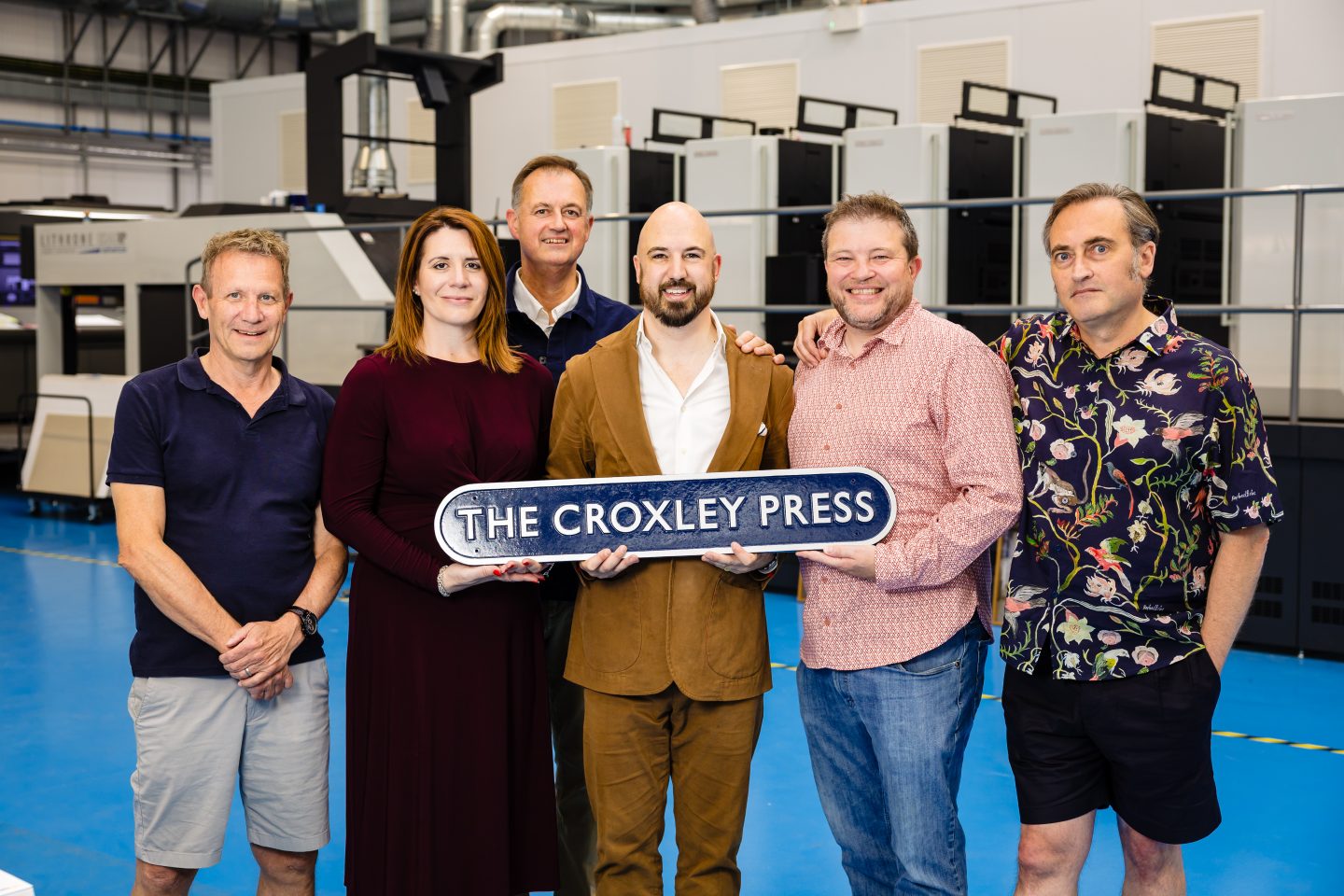
Leaders of Woodmansterne


Woodmansterne raised £618 in support of Greenfingers Charity through a series of recent fundraising activities