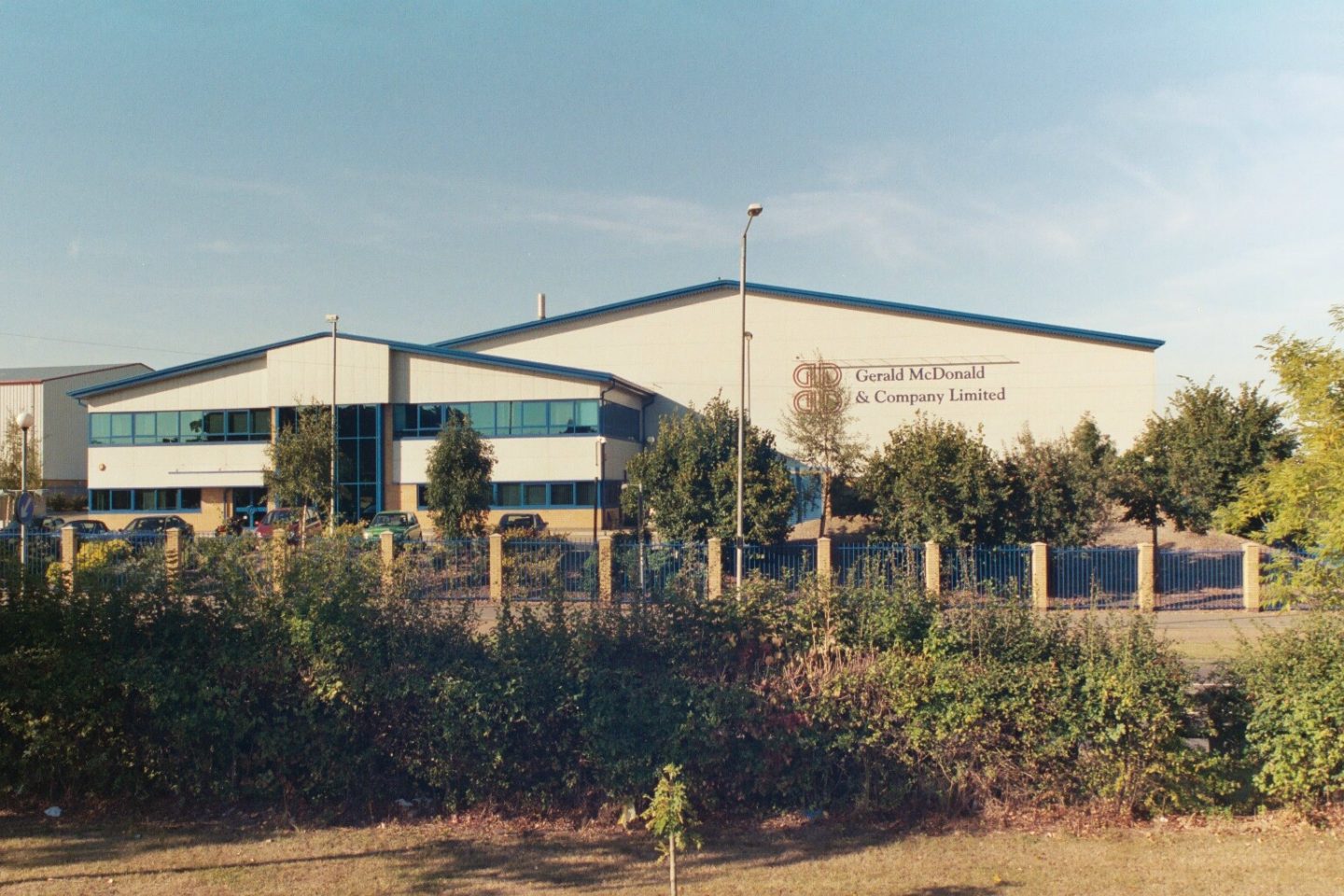
Mixing heritage and innovation

Maxim McDonald who is the fourth generation to run the international food and drink ingredients supplier, Gerald McDonald Group, shares his export experiences for Family Business Week.
When Gerald McDonald Group opened its office in Kobe, shortly before its centenary year, it wasn’t just planting a flag in Japan. It marked an important step towards the next 100 years of growth for the fourth-generation British family business.
The move has since unlocked customers across Asia, accelerated sales of distinctive Japanese citrus fruits and even strengthened routes into Europe and last year accounted for 3% of turnover, a figure that’s growing. However, it was not all plain sailing for the firm that supplies herbs, spices, juices and concentrates from its blending and milling facilities in Basildon, Essex.
“We knew Japan would be a tough nut to crack, but we didn’t know how tough,” says Managing Director Maxim McDonald. “We’ve been an international business since day one, but Japan is probably one of the hardest markets in the world. It was a couple of years after the 2016 launch before we got our first sale, but it was the right decision.”
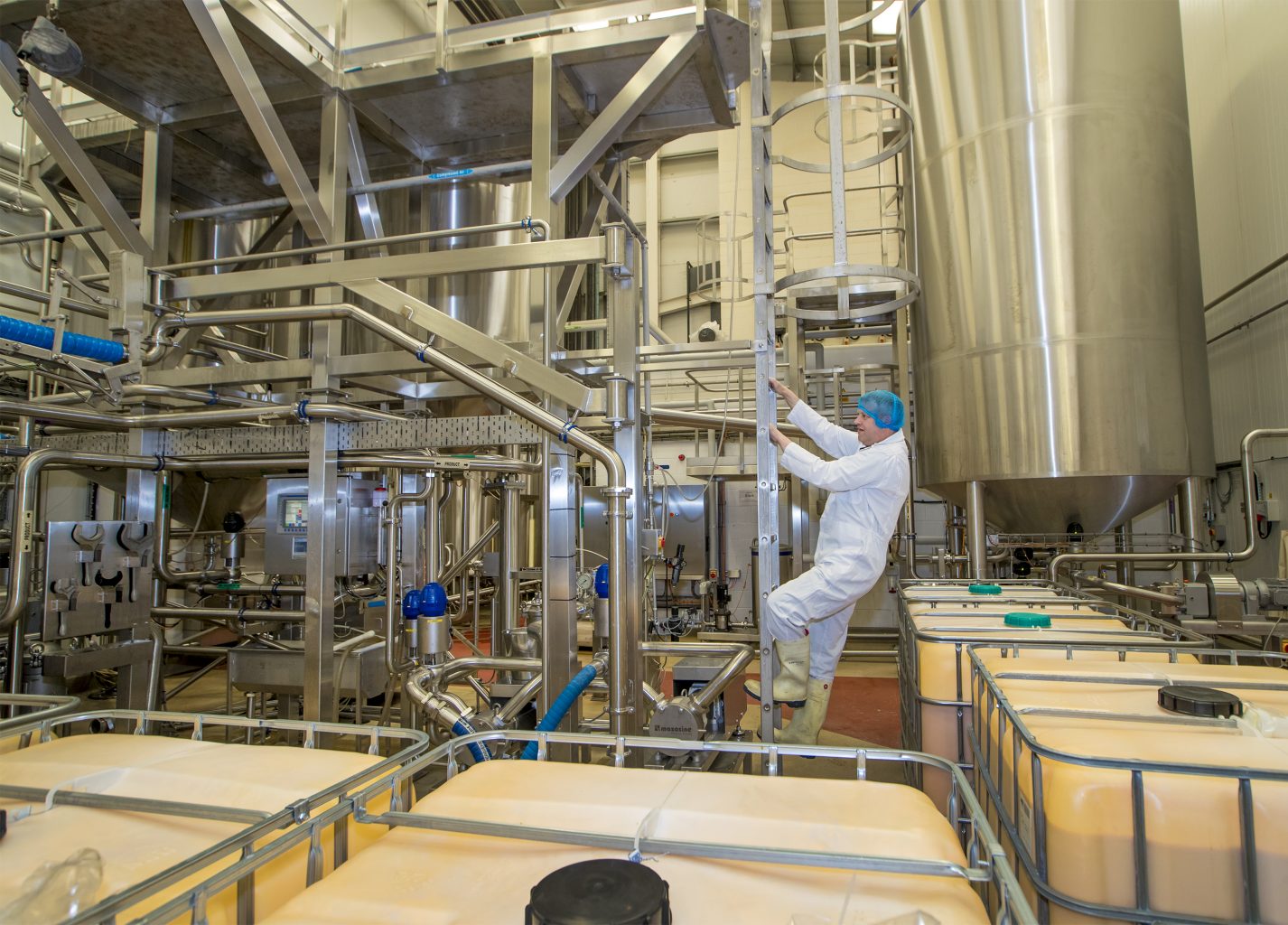
Having the right people on the ground was essential for success in Japan, but so too was the family business model. Maxim was already a familiar face when he joined the family business as an account manager in 2013. Six years later he took over from his father, Gerald, who is now the chairman. Strategic decisions are made by the father and son team, supported by a small senior management team and about 50 production staff.
“The family business model allows us to be agile,” says Maxim. “That was critical to the Japan decision, which was a decision made more from gut instinct than market research, if I’m honest. That would not have been possible if we had a large board and shareholders, but there is always risk in business. Yes, Dad and I may sometimes have different approaches but we get on and we make a good team.”
Export challenges
Recent political events have put the entire team to the test. “We do a lot of business with the US, and we had a $400,000 container at sea when the tariffs were announced. Ultimately, they were not applied because it had already been despatched, otherwise we would have had to absorb an extra $100,000. It was an anxious wait. “We buy from all parts of the world, countries such as Turkey, Argentina and Mexico. Relationships are important and I try to get to the Japan office at least once a year.
“Unfortunately, I can’t get insured to visit some of our Mexican suppliers because of gangs operating in certain parts of the country. Brexit has been a challenge too. In terms of lost business, it’s hard to put a number on it because it’s not like everything suddenly stops. It’s not just lost trade either, it’s lost opportunities. We’ve had to make some logistical changes too. If we have EU customers for particular stock it’s easier to ship it straight to the EU, rather than ship it first to the UK, so we can avoid paying any tariffs and cut out red tape.”
Gerald McDonald Group concentrates have been found in squash bottles in UK supermarkets for decades, but demand for more exotic blends is increasing. “The classic one is yuzu juice, which has gone from a niche product to almost mainstream,” says Maxim. “Back in 2016 you maybe saw it in Waitrose but it has exploded since then. We caught the wave at the right time, but we have helped grow demand too and we’re the only major UK stockist.”
The Japan bet also paid off in recognition. In June 2025, Gerald McDonald Group was named Agriculture, Food & Drink Winner in the government’s Made in the UK, Sold to the World Awards. Maxim describes it as a proud moment while at the same time calling for the return of “small but useful” government export grants.
This year the firm has taken another major step forward with the acquisition of Demos Ciclitira Ltd, an Essex-based family business established in 1926. The firm, which supplies grains, seeds and pulses, will retain its heritage and identity, but together they are operating in six of the world’s seven continents. For Maxim, it’s another example of building for the future, ensuring that if his own children choose to join the business, it will be in even better shape than the one he inherited.
Gerald McDonald Group, at a glance:
Founded: 1917.
Managing Director: Maxim McDonald (4th generation).
Turnover: £38m of which about 20% is from international trade.
Employees: About 50.
Headquarters: Basildon, Essex.
Core products: Fruit juices, concentrates, herbs and spices.
Key export markets: Europe (notably Ireland), Japan, United States and China.
Maxim’s advice for family businesses thinking about exporting:
1. Go where the pull already exists. Start with markets sending you enquiries. Prove product-market fit before splashing cash.
2. Keep language simple. Clear, literal English avoids cross-cultural confusion. If you can’t say yes instead of saying I’m afraid not, just say no.
3. Use what support exists. The Government’s Export Academy and targeted trade missions/webinars can help shrink the knowledge gap.